Top 3 Calming & Sensory Tools for Kids Who Need Extra Care
BY TYLER BROOKS · PUBLISHED 13.06.2026 · REVIEWED FOR ACCURACY · 7 MIN READ
1. Why deep pressure calms a stressed body
2. The three tools worth your money
3. How to use them without the overwhelm
It usually starts the same way: an ordinary moment tips over, the meltdown lands, and you’re left wishing you had something in your hands that helped. Calming tools won’t switch off a hard feeling, and any product that claims to is selling something. What the good ones do is give an overloaded nervous system a way back down, and that’s no small thing at 5pm on a rough day. These three earn their place for kids who feel everything a little louder.
1. Why deep pressure calms a stressed body
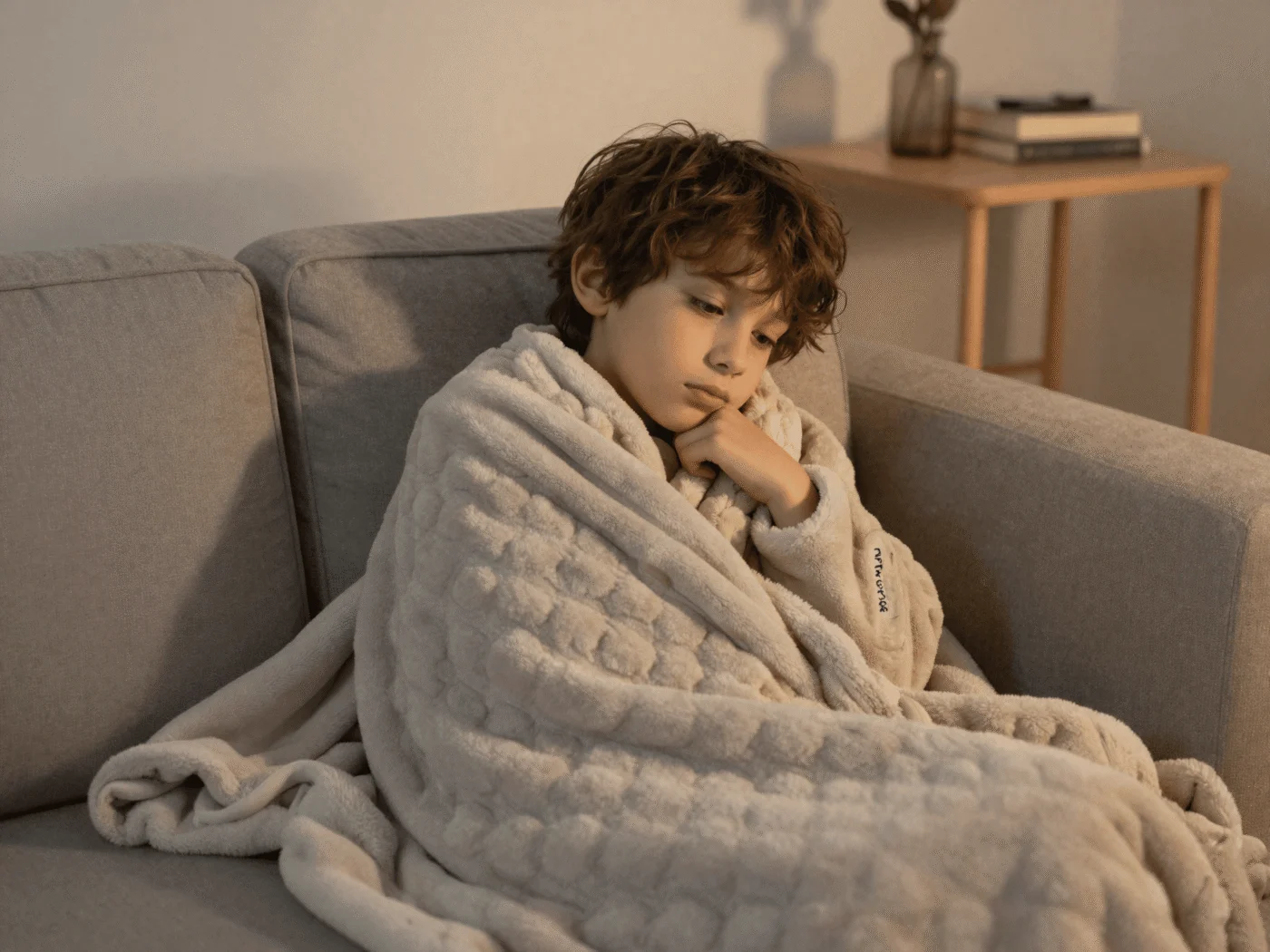
There’s a reason a tight hug helps when everything’s too much. Steady, even pressure on the body nudges the nervous system out of fight-or-flight and toward calm. Occupational therapists lean on it constantly, and it’s the thread running through most of the tools below. For a child who’s anxious, autistic, or wired to feel intensely, that physical sense of being ‘held’ reaches something words can’t in the moment. It isn’t magic. It’s a body finding its brakes.
2. The three tools worth your money
Some kids do not need another reminder. They need the right kind of input. That is why sensory tools work best when they match the actual need.
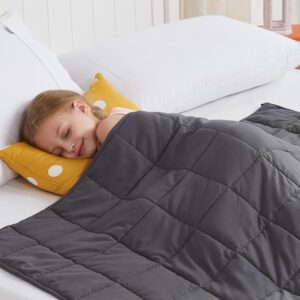
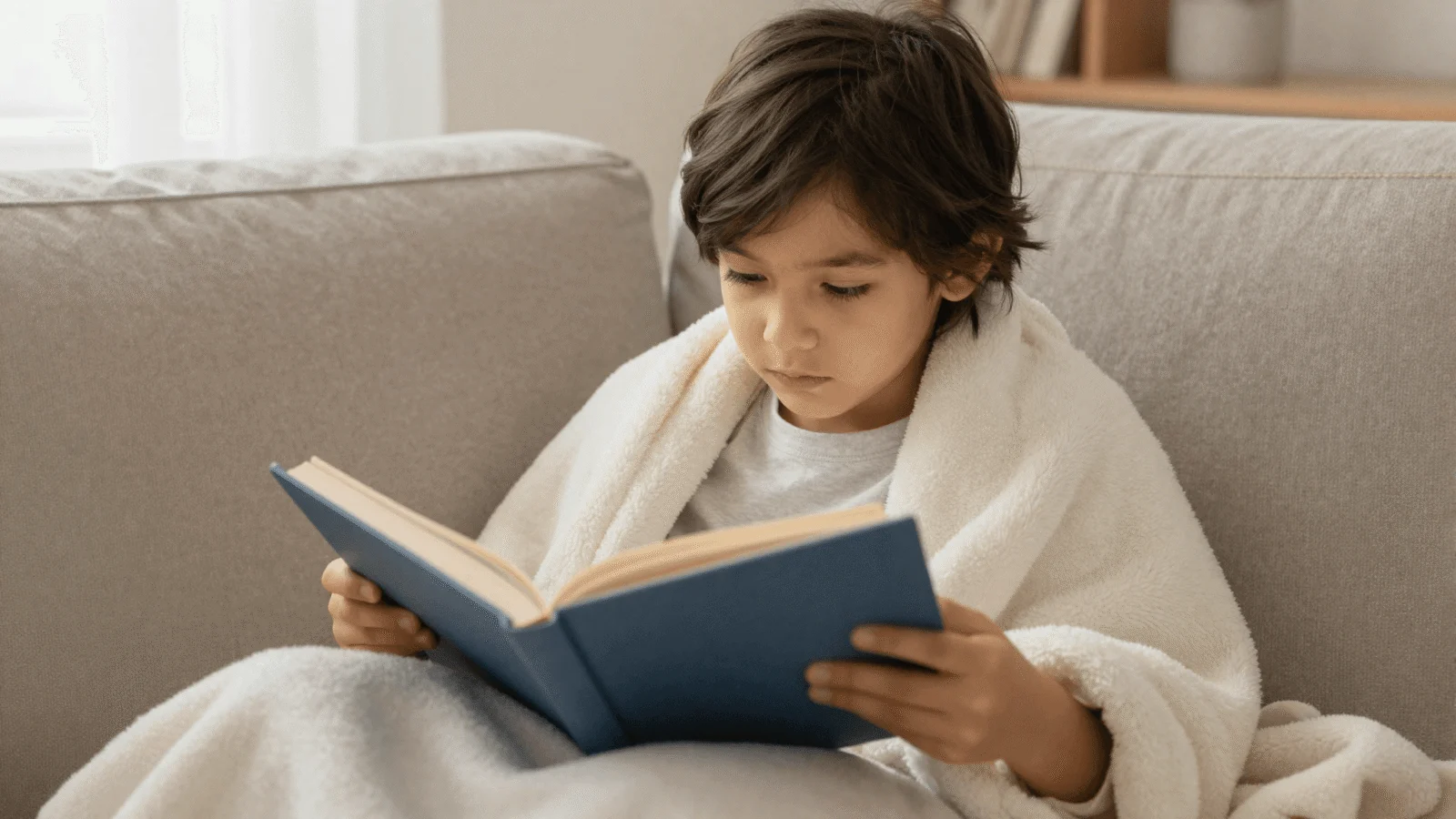
A weighted blanket is for body pressure. For an child who likes firm hugs, heavy blankets, or being tucked in tightly, a weighted blanket can make bedtime feel more settled. Around 10% of your child’s body weight is the usual starting point, but always check the product’s age and weight guidance first. I would not sell it as a sleep fix. It is more like a comfort layer for the child whose body struggles to slow down after a loud school day.
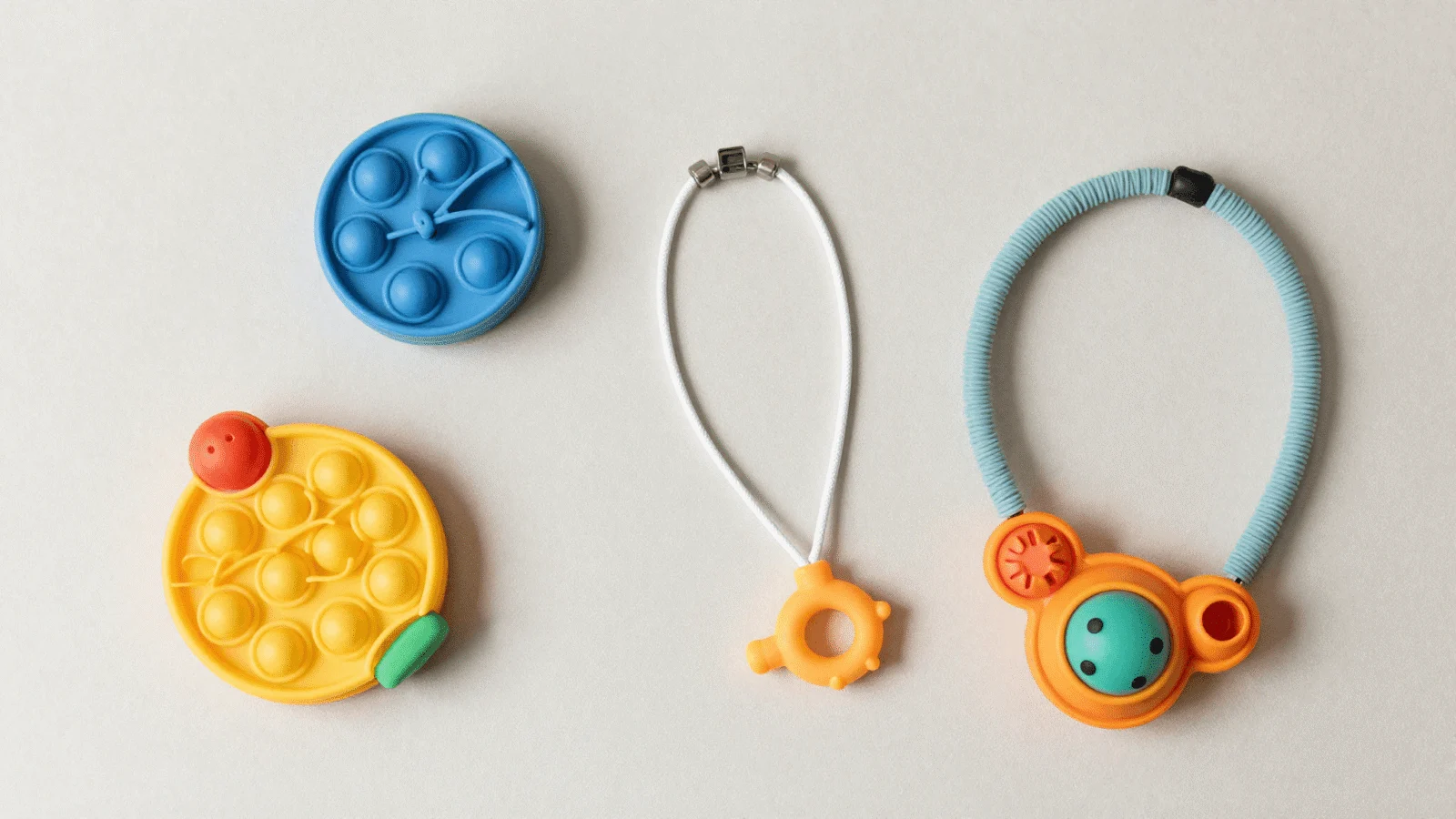
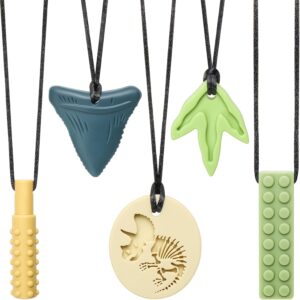
A chew necklace is for oral sensory input. If your child chews a food-grade silicone chew necklace gives that need somewhere safer to go. It can help during homework, car rides, reading, or busy classroom moments without turning the chewing into a big dramatic issue.
A liquid motion bubbler is for visual calming. This is the cheap, low-tech one I would keep in a calm-down box or near the homework spot. Flip it over, watch the colored drops fall, and your child gets one slow thing to follow. No app. No noise.
The real trick is not buying every sensory tool you see. It is noticing what your child is already doing and choosing the tool that meets that need without making them feel like the problem.
OUR PICK · AFFILIATE LINK
Kids’ Weighted Blanket (7lb)
This is a more specific comfort tool, not something I’d throw at every bedtime problem. For an older child who likes firm hugs, heavy blankets, or curling up tightly on the couch, a weighted blanket can make the bed feel more settled and less “wide open.” I’d still follow the product’s age and weight guidance carefully, because the helpful part is gentle pressure, not making sleep feel trapped or forced.
OUR PICK · AFFILIATE LINK
Silicone Sensory Chew Necklaces for Kids Who Bite
This is the kind of tool I would try when the chewing is already happening anyway: sleeves, collars, pencils, hoodie strings, sometimes even fingers. A soft silicone chew necklace gives that oral sensory need somewhere more suitable to go, especially during homework, car rides, reading, or busy classroom moments. It feels less like “stop doing that” and more like giving your child a better option.
OUR PICK · AFFILIATE LINK
Liquid Motion Bubbler Sensory Toy for Quiet and Focus
This is the cheap, low-tech sensory tool I would keep within reach for those moments when your child needs a pause but not another conversation. The slow falling drops give them one calm thing to watch during homework breaks, waiting time, or after a loud school day. It will not solve the whole meltdown, but it can create a small softer gap before everything spills over.
3. How to use them without the overwhelm
Bring one tool in at a time, on a calm day, never for the first time mid-meltdown when everything new gets rejected on principle. Let your child explore it with zero agenda. The blanket is for fort-building long before it’s ever ‘for calming down’. Watch what genuinely soothes your specific kid, because sensory needs are wildly individual and the bestseller isn’t always the winner in your house. And keep the tool within easy reach, not locked away for emergencies; the whole point is heading the storm off, not just surviving it. If the first pick doesn’t click, you haven’t wasted your money. You’ve narrowed down what your child’s body is asking for.
Tyler Brooks
Writes on ADHD & SEN-friendly tools · we only recommend tools we’d use ourselves