
Her Bed, Her Dog, and Then She Waited to Be Allowed to Eat
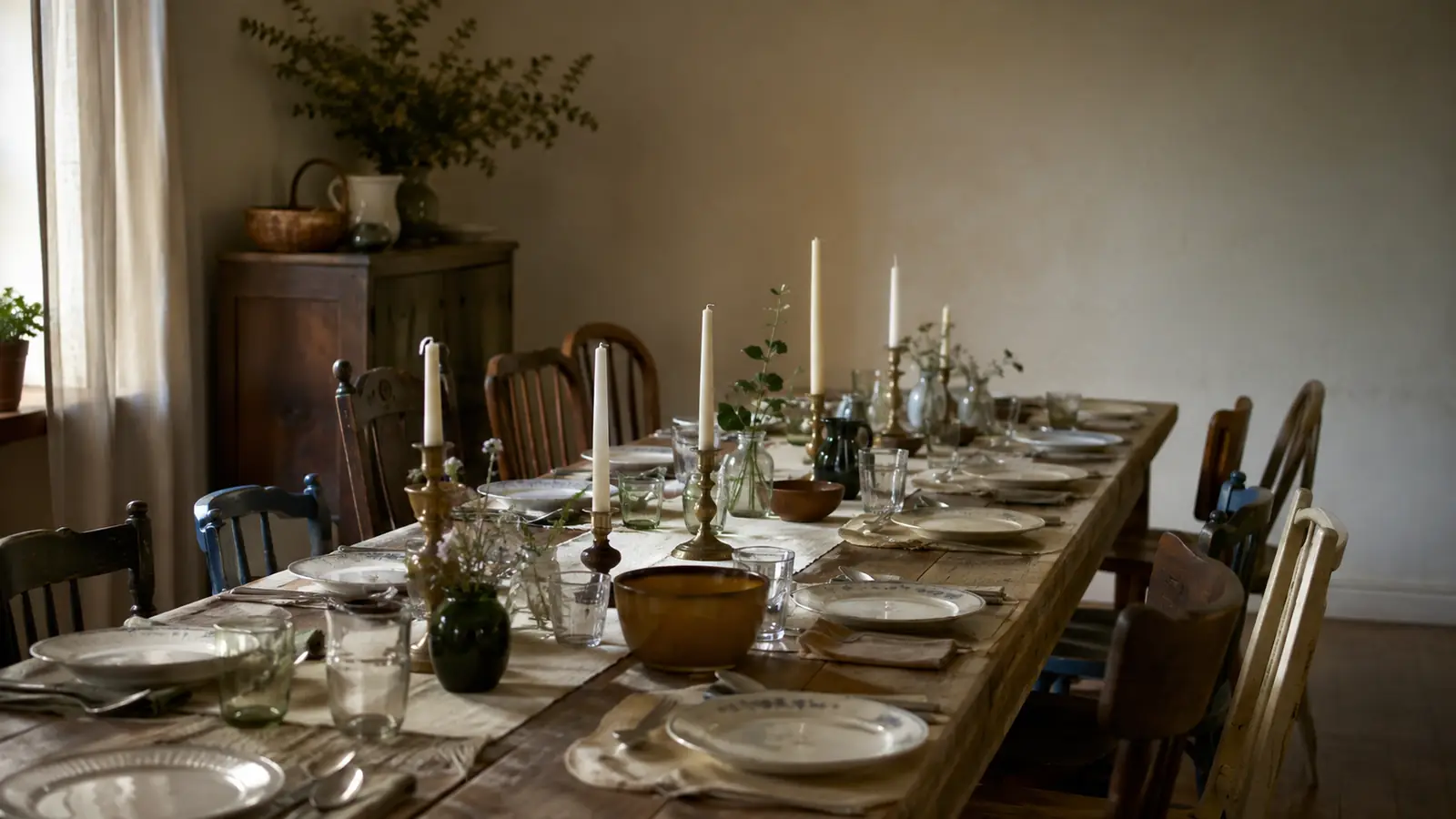
Everyone goes round the table. Name three things you are thankful for. Your daughter says her bed, her dog, and then looks at you to check whether she is allowed to start eating.
You cannot really argue with any of it. She is thankful for her bed. She just answered a question, the way she answers questions at school.
This is not a small tweak. It is most of the difference between gratitude that lasts an evening and gratitude that lasts.
Why the round-the-table list stalls

Ask a child what they are thankful for and you get objects. The trampoline, the dog, pizza. Objects are what is nearest, and they are what the question sounds like it is asking about.
The trouble is that a thing on its own does not produce much. Nobody feels warmer towards the world because they remembered they own a trampoline. What produces the feeling is realizing somebody chose to do something for you, and that it cost them something to do it.
Robert Emmons at the University of California has spent his career on this, and he splits gratitude into two parts. Most family gratitude practices only ever do the first one.
So the fix is not a better jar or a nicer worksheet. It is changing what you ask. Not what are you thankful for, but who.
The three questions that do the work
Jeffrey Froh and his colleagues at Hofstra built a short program for eight to eleven year olds around exactly this. Instead of listing, children were taught to ask three things about a kind act: did that person mean to help me, did it cost them anything, and what did it actually do for me.
The results were not subtle. Children who did it reported more gratitude and more general good feeling, and the behavior moved too. In one study, the group wrote 80 percent more thank-you notes than the children who had not done it.
You can run those three questions at home in about a minute, with no materials. Somebody did something for your child today. Ask who it was. Ask whether they had to give up anything to do it, time, money, their own turn. Ask what it meant.
Answering that about one real person beats naming five objects, every time.
Activities that run in a real house
For three to five, keep it about people and keep it out loud. At bedtime, ask who was kind to you today. That is the whole activity. If they cannot think of anyone, offer one you saw, and let them agree.
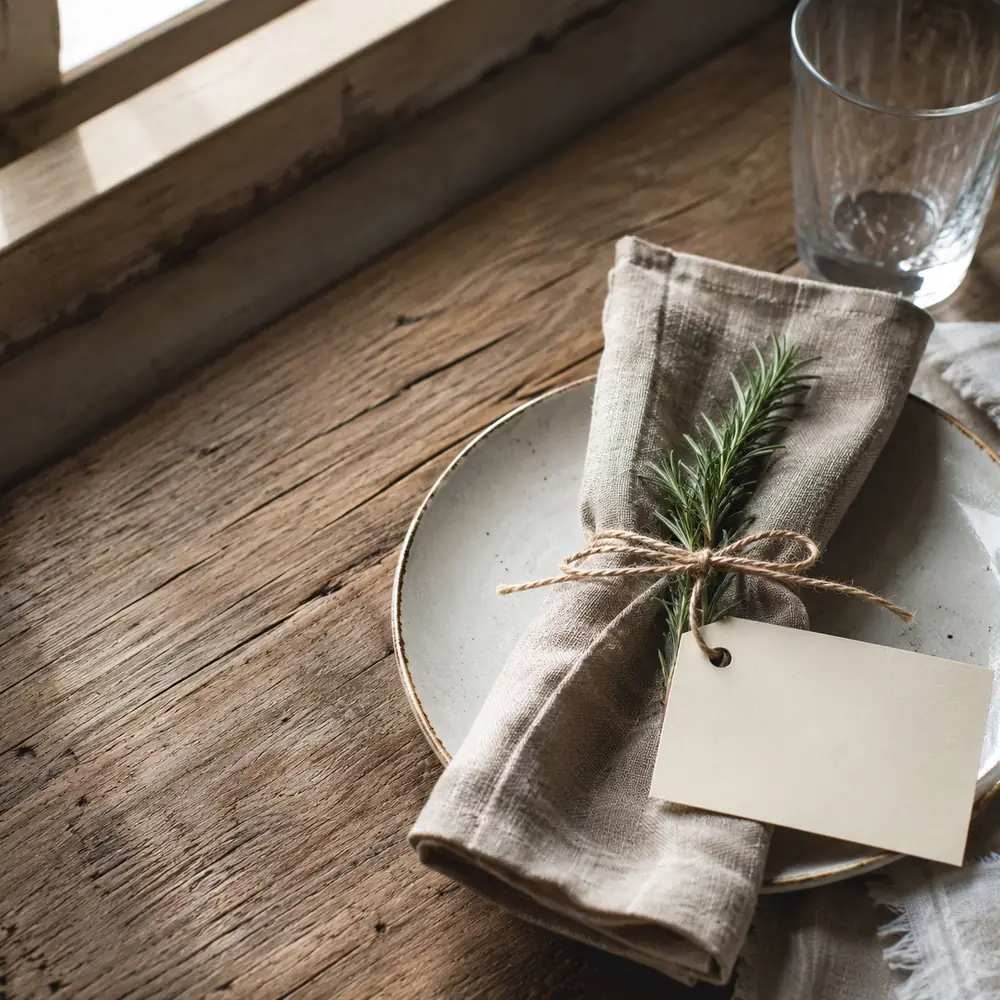
For six to nine, the place card version works at any big meal. Every seat gets a blank card. Before eating, each person writes one line about the person on their left, then reads it out. It takes four minutes, it is not about food or possessions, and nobody has to perform sincerity to an entire table.
The jar works too, but only with the prompt fixed. Slips say who did what, not what I like. Then read them on New Year’s Eve, when the year is closing and there is nothing else to do at nine in the evening.
For nine and up, thank-you notes to somebody outside the family. The bus driver, the librarian, the coach, the person who runs the after-school club. Two sentences and a name. If you are already making cards in December, this is the same table and the same twenty minutes.
And a walking version for any age. On the way somewhere, pick one ordinary thing and work out who made it possible. The road. The bread. The lights being on. It sounds like a school exercise and it turns into a real conversation surprisingly often.
Making it survive past November
Most family gratitude habits die in the second week, because they were built as an event. The ones that last are attached to something already happening: the walk to school, the drive to practice, the two minutes after lights out.
Keep it short and let them opt out. A child who says nothing tonight is still hearing everybody else do it, and that is most of how this gets learned anyway. Do it yourself out loud, specifically, naming a person and what it cost them. Children copy the form of what they hear.
It pairs well with the seasonal versions rather than replacing them. The Thanksgiving afternoon activities fill the hours before the meal, and the traditions that cost nothing run on the same fuel: attention paid to a person rather than to a thing.
Start with one person, tonight
You do not need a jar, a printable or a chart. Tonight, ask who was kind to them today, and then ask the second question, the one nobody asks: do you think that was easy for them?
She will say her bed and her dog for a few more weeks. Then one evening she will name the girl who saved her a seat, and you will hear her work out, out loud, that it meant somebody had to sit alone for a minute to do it.
Leave the first comment
Share your thoughts
Frequently asked questions
At bedtime, ask who was kind to you today, rather than what are you thankful for. Naming a person is what does the work, because a thing on its own produces very little. If they cannot think of anyone, offer one you saw during the day and let them agree with it.
Because it only does half the job. Children name objects, since objects are what the question sounds like it is asking about. The part that changes something is recognizing where the goodness came from, which means noticing the person behind it and what it cost them.
Yes. Jeffrey Froh and colleagues at Hofstra taught eight to eleven year olds to ask three questions about a kind act: did the person mean to help, did it cost them anything, and what did it do for me. Children in the program reported more gratitude, and in one study wrote 80 percent more thank-you notes.
Fix the prompt. Slips should say who did what, not what I like, so each one names a person and an action. Keep it somewhere you already stand, such as the kitchen counter, and read them together on New Year’s Eve when the year is closing and there is nothing else happening.
No. Gratitude used as a correction lands as guilt, and guilt does not turn into thankfulness at any age. Keep the practice on a normal day when nothing has gone wrong, and handle a badly received gift as its own separate conversation.

I'm for the parent watching a feeling they can't name and wondering if it's normal. I've spent years close to the child-mental-health research and the specialists behind it, and I carry the heavy parts into plain language. I won't diagnose your child - I'll help you see what you're looking at, and say honestly when it's time to ask someone in person.
More from SofiaWhen did you last feel out of your depth - and what helped, even a little?
No right answers here - tell us how it went. Someone reading needs to hear it.
Join the conversation