
The Mug Is the Sixty-Seventh Mug
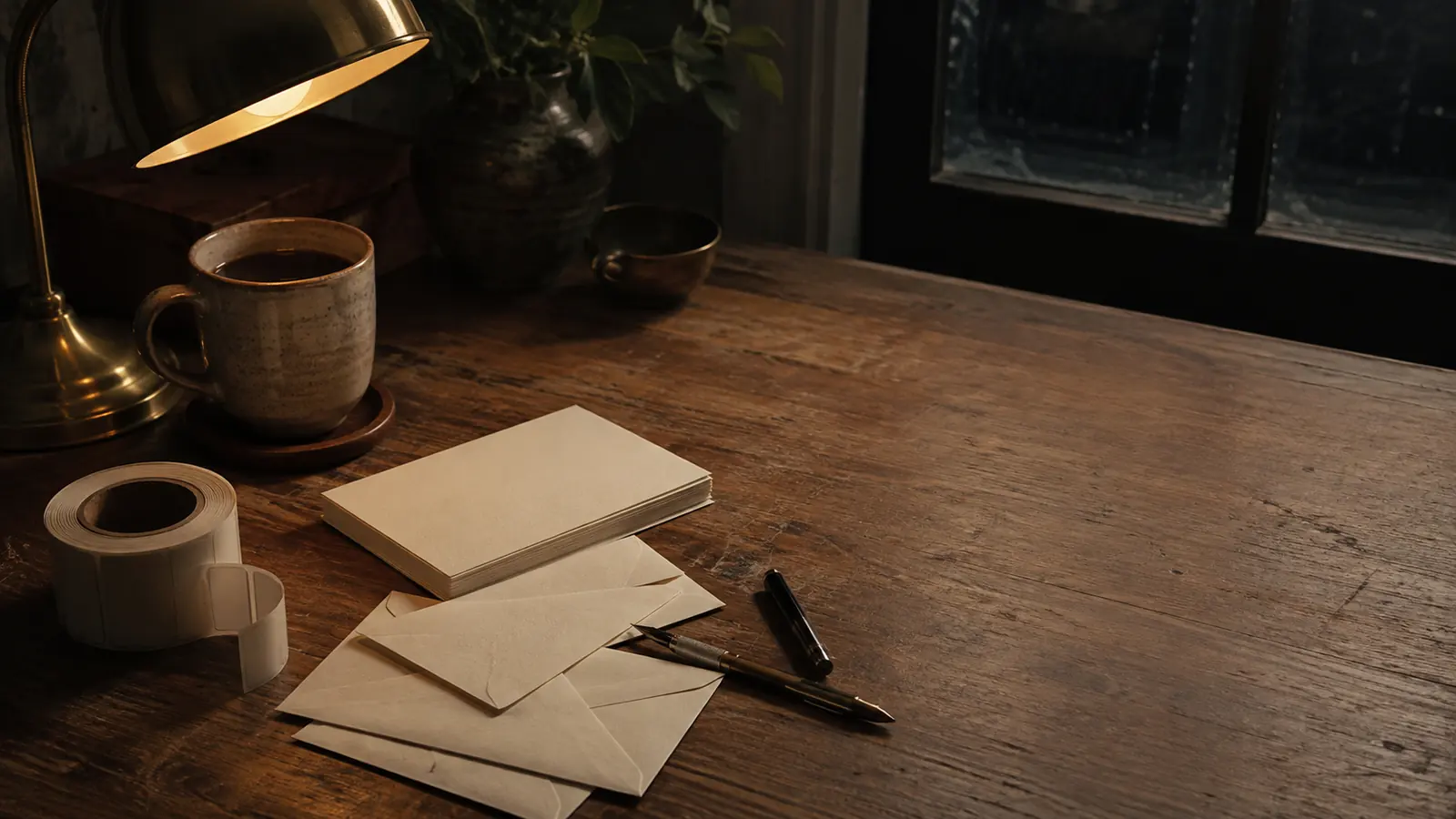
A teacher I know keeps a photograph on her phone of the inside of her kitchen cupboard. Twenty two mugs. She counted them once, during a long staff meeting, and now she shows people.
She is not ungrateful. She says every one of them was given kindly and she remembers roughly half the children who brought them. She also says that if one more arrives she will have to start giving them away, and that she feels bad about that every December.
We are not guessing at this. Somebody asked them.
What 800 teachers said

Study.com surveyed 800 teachers about the gifts they receive on special occasions. The results are unusually blunt for a survey about presents.
Top of the list: a handwritten card or letter, named by 51.5 percent as a most loved gift. Second: cash or gift cards, on 45.25 percent, with teachers describing the appeal as flexibility, because it lets them decide for themselves what they most need.
The bottom of the list is more useful still. Least appreciated were alcohol at 38.88 percent, homemade food at 34.63 percent, and trinkets or knick knacks at 32.13 percent.
And the mugs. A separate teacher survey found 67.5 percent had received one, alongside food and drink at 66.2 percent and candles at 60.6 percent. The mug is not disliked. It is simply the sixty seventh mug.
Which is the part that rescues this whole subject from cynicism. The free option came top and the flexible one came second. Neither of them is about spending, and both of them are about being able to tell that somebody meant it.
What to spend
Lower than you think. In the same survey, 43.4 percent of teachers said $10 to $20 was a reasonable amount, and about a quarter said under $10.
The card is the actual gift
This is the bit worth taking seriously, because it is free and it outranks everything else on the list.
Write it with your child, in your child’s handwriting, about something that actually happened. Not “thank you for a great year”. Something like “thank you for letting me be the one who fed the fish, and for not being cross about the water”.
Teachers keep those. They put them in a drawer and read them in March when the job is hard. A seven year old’s own sentence about one real moment in a classroom is worth more than anything you can buy for twenty dollars, and it is the one part of this a parent cannot outsource.

If you want to give an object anyway
Some people find a card alone uncomfortable, and that is fair. If you are giving something, these are the ones teachers report as genuinely welcome.
- A gift card with a specific place attached. A bookshop, a coffee place near the school, a craft supplier. The specificity does the thoughtfulness that a generic card does not.
- Something for the classroom rather than the teacher. A set of books for the reading corner with a plate inside the cover. Teachers spend their own money on this constantly.
- A small plant. Alive, low maintenance, not another candle. It sits on the desk and is not a duplicate of anything.
- Good stationery. Not novelty. The pen a teacher actually wants to write with, which they will not buy for themselves.
Check your school’s policy before the gift card, because plenty of districts cap the value or ask that gifts go to the class rather than to an individual member of staff. A quick line to the office is easier than an awkward return in January.
The thing nobody says out loud
Teacher gifts have become a small annual anxiety for a lot of parents, and it is worth naming why. It is not really about the teacher. It is about being seen to have done the right thing by the other parents in the playground, which is a completely different transaction and one that no survey can help with.
The survey answer is genuinely freeing here. The people receiving these gifts have said, at scale, that they want a note and would like you not to spend much. Believe them. Then spend the twenty minutes you saved on the card instead, which is the part that is actually hard.
If the wider December spend is the thing weighing on you, the arithmetic behind it is worth sitting with, and we have gone through it in the number in your head belongs to somebody else. Teacher gifts are usually the first place that number starts creeping.
My friend with the cupboard got a card last year from a boy who had been a genuine handful since September. Four lines, terrible spelling, one specific memory about a spider. She has it in the drawer. She has thrown out eleven mugs.
Leave the first comment
Share your thoughts
Christmas gifts for teachers from students, answered
When Study.com asked 800 teachers, the most loved gift was a handwritten card or letter, named by 51.5 percent, with cash or gift cards close behind on 45.25 percent. Teachers say the gift card wins on usefulness because they choose what they need, and the card wins because they keep it.
In the same survey, 43.4 percent of teachers said $10 to $20 was a reasonable amount and about a quarter said under $10. Nobody is expecting a large gift, and a class where parents escalate the spend makes it awkward for the families who cannot.
Yes, and teachers say so plainly. Check your school's policy first, because some districts cap the value or ask that gifts go to the class rather than the individual. Where it is allowed, a modest gift card for a bookshop or a coffee place is one of the most appreciated things you can send.
The bottom of the list in that survey was alcohol at 38.88 percent, homemade food at 34.63 percent, and trinkets or ornaments at 32.13 percent. Mugs are not disliked so much as duplicated: 67.5 percent of teachers in a separate survey reported receiving them.
From the child, in the child's handwriting, even if you bought it. The written part is the bit teachers keep, and it is worth more when it is a seven year old's own sentence about something that actually happened in the classroom rather than a line dictated by a parent.
Which book actually changed something at home - and which did you put back?
No right answers here - tell us how it actually went. Someone reading needs to hear it.
Join the conversation