
Bread and Two Carrots, at Somebody Else’s Table
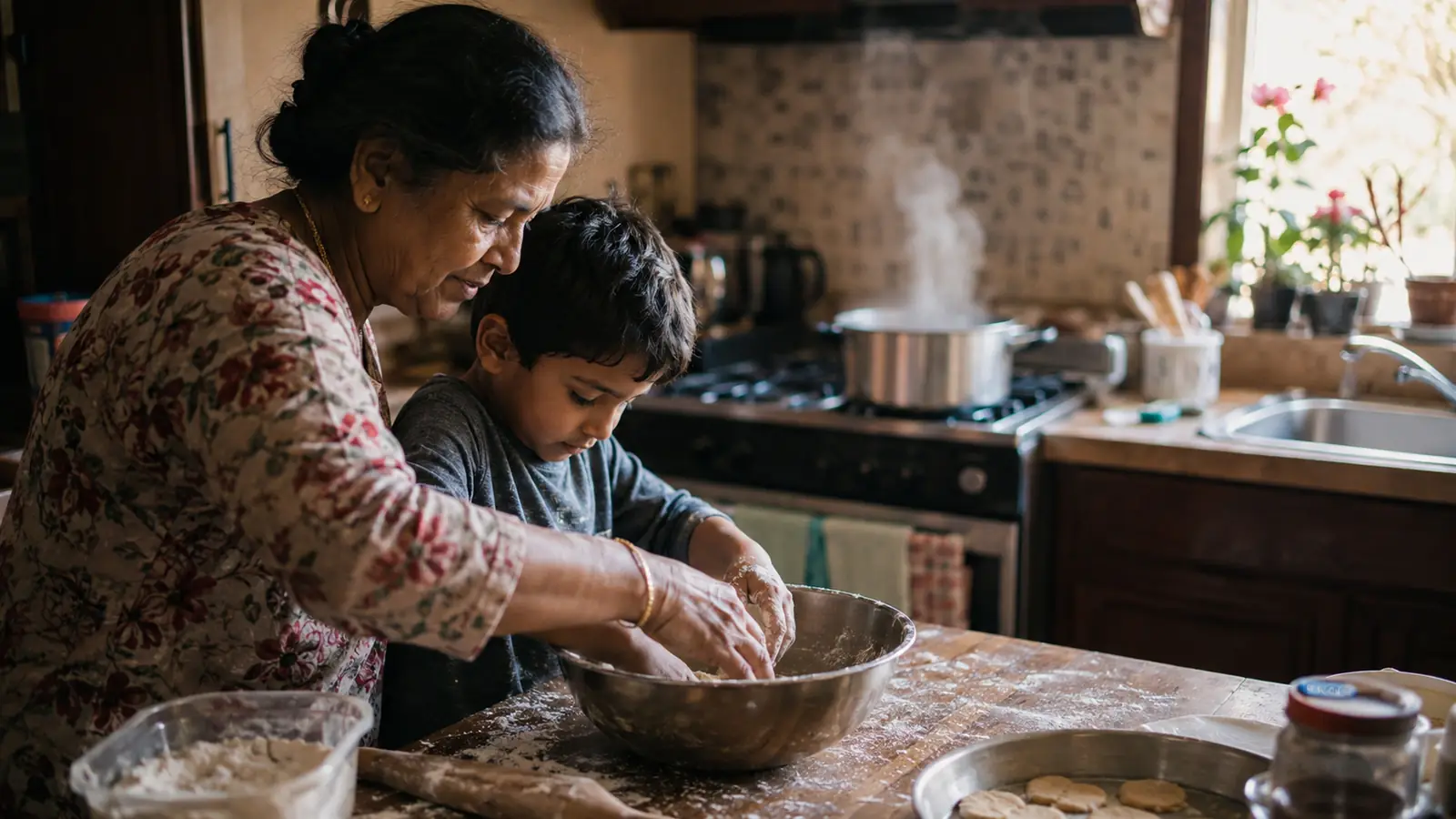
It is not the eating that gets you. It is the audience.
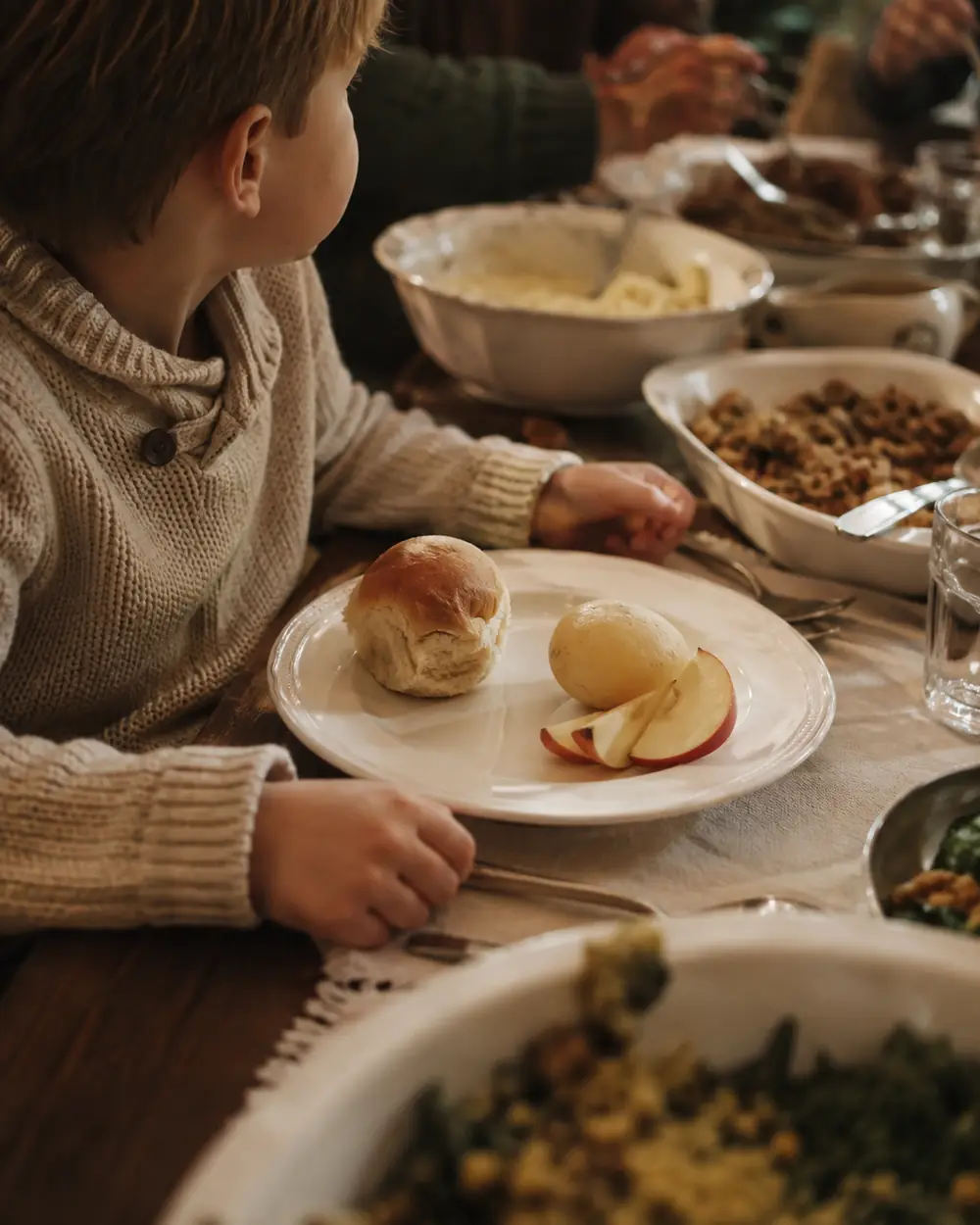
At home, a plate of bread and two carrots is Tuesday. At your mother in law’s it is a verdict.
Nine adults at the table. Somebody says “he’ll eat it if he’s hungry enough” in a jolly voice, and now the plate is about how you are raising him.
Two hours later everybody has forgotten. Except your child, who remembers exactly who commented.
Why the pressure backfires
There is a study that settles this rather neatly, and it has one of the best titles in the field.
Amy Galloway and colleagues, working with Leann Birch at Penn State, sat preschoolers down with soup twice. Once they were left alone with it. Once they were gently, pleasantly urged to finish it, in the way any kind adult would. Nothing harsh. Just encouragement.
Less food, and a worse mood, from the encouragement. That is the whole mechanism in one sentence, and it is worth having handy in November because it turns “he’ll eat if he’s hungry” into a question of evidence rather than a question of whose child it is.
It also explains the usual holiday sequence. Nobody pushes at the start of the meal. Then three relatives each have a friendly go, and by the fourth the child has stopped eating altogether.
Everybody decides he is fussier than they thought. He is not. He is doing exactly what the study says he will do.
Why the split of jobs at a meal matters so much is set out in the piece on who decides what at mealtimes. This is the same thing, run in front of an audience.
What to do before you arrive
Feed them. A real snack an hour or two before, not candy. A child arriving starving at a table full of unfamiliar food does worse, not better, and the hunger tips into meltdown well before the plates come out.
Bring one thing. Rolls, a bowl of plain pasta, the specific yogurt. Hand it to the host as a contribution rather than announcing it as your child’s special food, which spares everyone the conversation.
Then do the useful bit, which is a quiet word with whoever hosts. Something like: “He is in a fussy patch. We are not making a thing of it, so please do not offer him anything twice.”
Said once, in the kitchen, before anyone sits down. It works far more often than you would think. Most relatives are trying to help, and do not know that the helping is the problem.
If cooking together is an option, take it. Children who handled the food are measurably more willing to look at it later, which is why giving them a job in the kitchen does double duty on the day.
At the table
Small portions. Genuinely small. A heaped plate reads as an instruction to a child who is already nervous, and there is nothing lost by putting one spoonful down and letting them ask for more.
Serve family style if you can, with the dishes down the middle. Choosing is what makes a cautious child brave. Being handed a loaded plate is what makes them dig their heels in.
Have the safe food on the table like any other dish, not handed over separately like a consolation prize. Nobody needs to know that the rolls are there for one specific person.
And let them get down when they are done. The sitting battle is its own separate fight and it is not worth having today, as we worked through in the piece on the child who will not stay in their chair.
Handling the relative
If it keeps coming, take it out of the room. One sentence to that person later, on their own, in a warm voice, works and a table confrontation does not.
The person who needs protecting here is not you, and it is worth being clear about that when your own mother is the one doing it. This overlaps with a bigger December problem, which we have set out in the piece on grandparents who quietly ignore your rules.
Afterwards
Do not review the meal with them in the car. No debrief, no gentle “you could have tried the potatoes”. The day is over and the review only teaches them that you were watching the whole time.
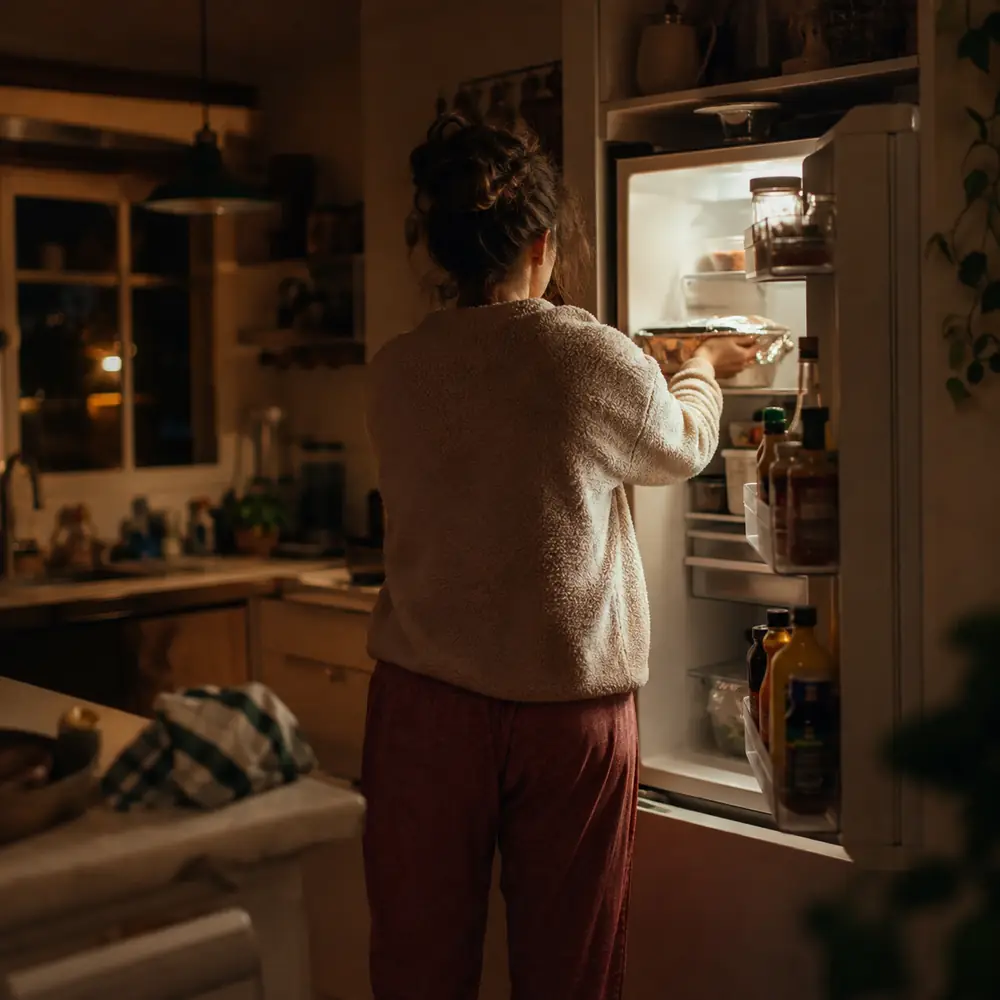
Leftovers are where a lot of reluctant eaters actually eat. Cold turkey out of the fridge the next morning, standing up, no audience, no plate. That absolutely counts, and if it is the only holiday food they touch all week, the week was fine.
One last thing. If the list of foods is getting shorter month by month rather than longer, take it to your doctor rather than filing it under phases. Where the line sits between cautious and something more is set out in the piece on where picky eating starts.
Ours had bread and two carrots. Then he ate half a plate of stuffing at nine at night in his pajamas, which nobody saw, and which I have decided to count.
Leave the first comment
Share your thoughts
Frequently asked questions
Whatever they reliably eat, served on the table like any other dish. Add one small spoonful of something else without comment. Bread, plain pasta or a familiar side is enough, and a child who eats only that has still had a successful meal.
No. Research on pressuring preschoolers to eat found they ate less and complained more when encouraged, even gently. Offer it, put it on the plate, and say nothing. Repeated exposure without pressure is what eventually moves a cautious eater.
Speak to the host in the kitchen before anyone sits down and ask them not to offer your child anything twice. At the table, deflect briefly and change the subject rather than explaining. Defending your child’s eating in front of them turns a phase into an identity.
Yes, a real snack an hour or two beforehand. A child who arrives starving at a table of unfamiliar food does worse rather than better, because hunger tips into distress long before the food is served.
When the list of accepted foods is shrinking rather than slowly growing, when whole food groups drop out, or when weight and energy are affected. Dropping foods they used to eat is the signal worth taking to a doctor rather than waiting out.

I'm for the parent mid-meltdown - theirs or the kid's. I write from the actual floor of it: the crying that won't stop, the dinner thrown, the bedtime that unravels. Blunt because I respect you too much to pretend it's easy. Just what tends to work.
More from NourWhat's the one thing that calmed the chaos in your house?
No right answers here - tell us how it went. Someone reading needs to hear it.
Join the conversation