
Your Child Isn’t Being Difficult About Socks. Their Feet Are Filing a Complaint
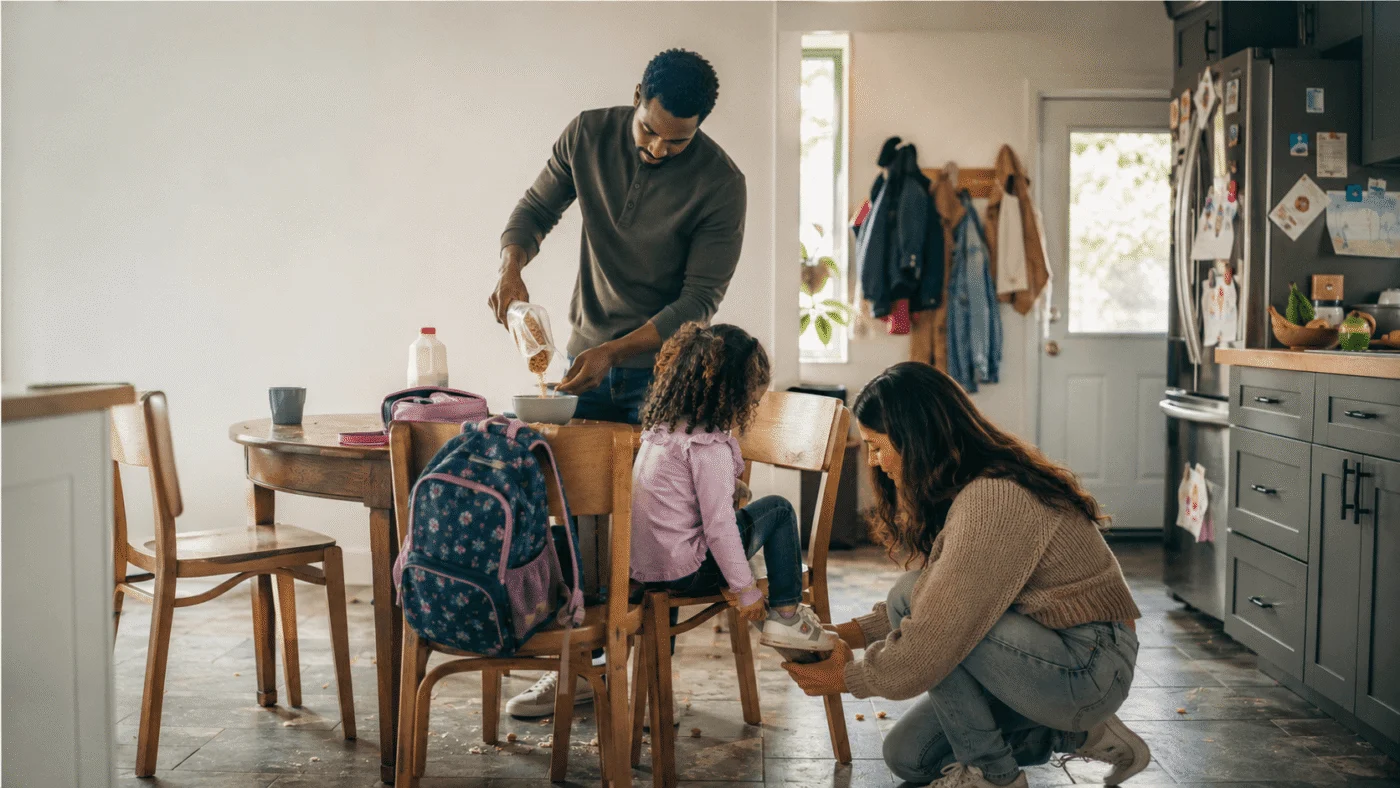
You have checked the clock three times. Your child is dressed, the backpack is packed, and then one sock turns the kitchen into a courtroom. The seam is “wrong.” The heel is “moving.” The cuff is “squeezing.” You smooth it out, turn it inside out, try another pair, and wonder how something so small became the entire morning.
If you keep thinking, my child won’t wear socks and nothing I try works, start here: discomfort can look exactly like defiance from the outside. Your child may not have the vocabulary to separate scratchy from tight, hot from damp, or “this feels bad” from “I cannot handle another transition.” The fastest route forward is not a bigger consequence. It is a better investigation.
First, believe the feet without making socks optional forever
Believing your child does not mean abandoning every boundary. It means accepting that the sensation is real enough to investigate. Children with sensory differences may notice clothing details that other people filter out. The Child Mind Institute explains that ordinary sensory input can feel overwhelming for some children, and that reactions are not simply a choice to be difficult.
Try: “I believe that sock feels wrong. We still need something that protects your feet, so let’s find the least-bad option together.” That sentence does three jobs. It validates the body signal, keeps the practical boundary, and turns you into teammates.
“Kids do well if they can.”Ross W. Greene, Lives in the Balance
That idea changes the question from “How do I make this stop?” to “What is getting in the way?” It also helps you stay curious when your child rejects the expensive pair you bought specifically because the package said seamless.
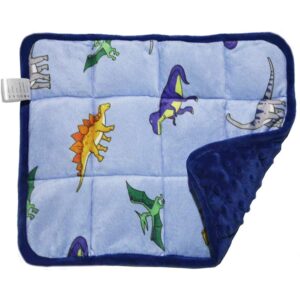
MAXTID Weighted Lap Pad for Kids 5 Pound Travel Size Mini Weighted
As an Amazon Associate, Decoded Kids earns from qualifying purchases. Price checked live on Amazon.
Run the four-part sock detective test
Do this after school or on a quiet weekend, not at 7:42 a.m. Put out two pairs at a time and ask for a simple comparison: “Which is less annoying?” Children often answer comparisons more easily than open questions.
1. Seam
Turn the sock inside out and feel across the toe. Is there a ridge, loose thread, or bulky corner? Try the seam above the toes rather than directly across them. Some children prefer socks inside out. That is not a failure if the shoe still fits safely.
2. Pressure
Compare a loose cuff with a snug cuff. Do not assume looser is always better. One child hates compression; another hates fabric that shifts. Check whether the heel stays in place and whether the shoe becomes tight once the sock is on.
3. Temperature
Test thin cotton, moisture-wicking fabric, and a warmer option on different days. Sweaty feet can make every fold feel louder. Dry skin can make textured fabric sting. Check the skin, not only the sock label.
4. Transition
Notice whether the protest begins before the sock touches the foot. If bare feet have been free all morning, the switch itself may be the hard part. A two-minute warning, warm socks from the radiator, or putting them on before breakfast can lower the transition load.
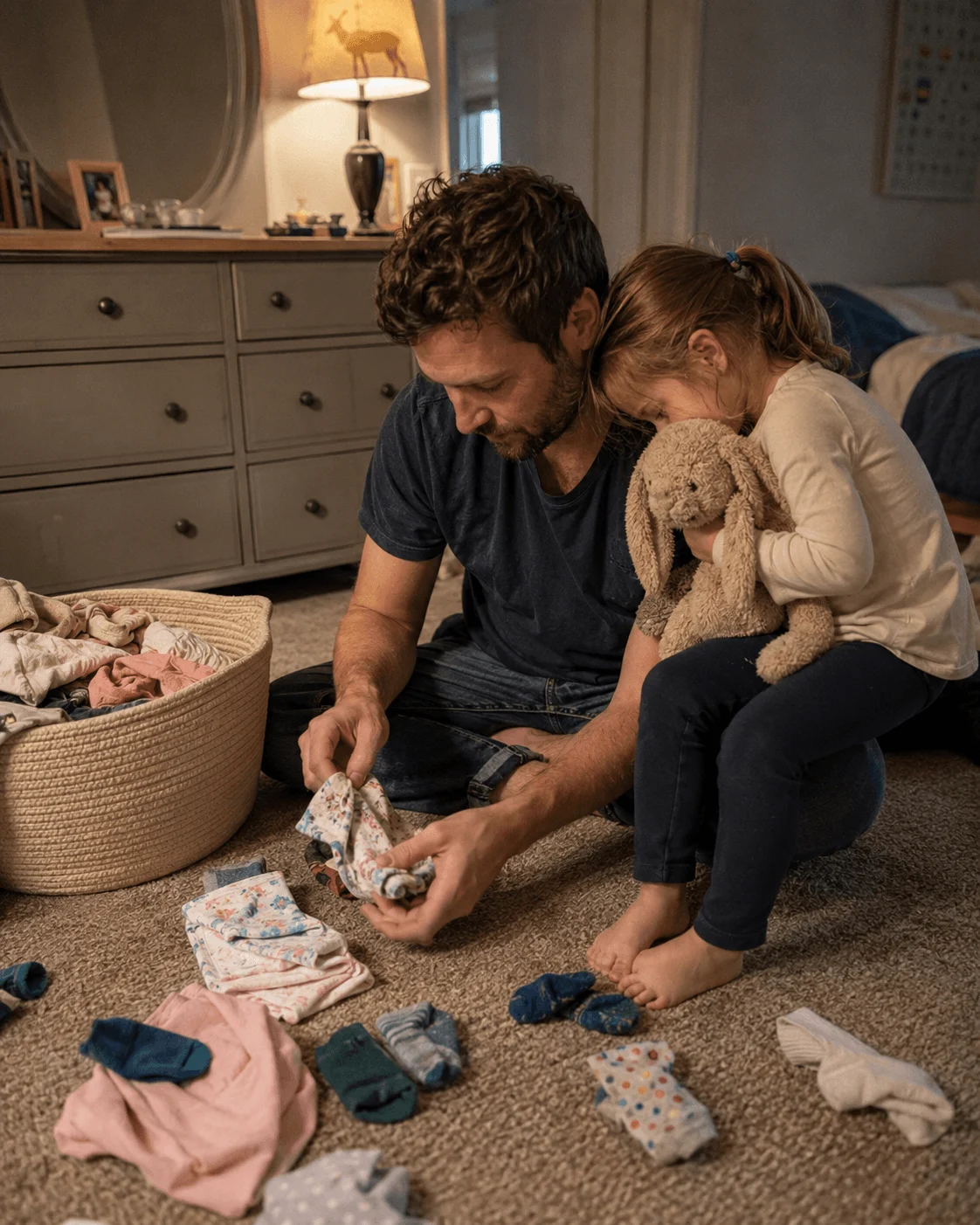
Keep a note with three headings: yes, maybe, and absolutely not. Record cuff height, fabric, seam position, and which shoes were worn. Within a week, you may see that “hates socks” actually means “hates thick ankle socks inside narrow sneakers.” That is a solvable problem.
Build a morning system that needs fewer decisions
Once you find two acceptable pairs, stop offering the whole drawer. Put the approved options in one small basket. Let your child choose the night before, then place the socks beside the shoes. Fewer choices at the most rushed point of the day protect both of you.
If the first pair fails, use a simple backup ladder:
- Adjust the seam and heel once.
- Switch to the pre-approved backup pair.
- Use the safe bridge option, such as a soft-lined shoe without socks, if conditions allow.
- Revisit the problem later, when nobody is racing the bell.
A visual routine can help, especially when sock distress is one part of a bigger difficult morning. Our guide to why kids with ADHD struggle at school explains how transitions, working memory, and time pressure can pile up before class even starts.
If school has a uniform rule, contact the teacher before the next crisis. You do not need a long medical explanation. Say that your child is having a strong sensory response to socks and that you are testing safe alternatives. Ask whether a different sock color, inside-out pair, softer shoe, or brief arrival accommodation is possible. A predictable agreement prevents your child from reaching class already ashamed and exhausted.
Wash approved socks the same way each time. Fabric softener, air drying, tumble drying, and detergent residue can change how a familiar pair feels. Keep one clean backup in the backpack in a labeled pouch. If a wet playground or sweaty gym class changes the sensation, your child has a private exit instead of having to endure it until home.
Be cautious with expensive multi-packs. “Sensory friendly” is not a regulated comfort guarantee, and one child’s perfect flat seam is another child’s irritating loose fabric. Start with one pair, keep the receipt, and test it in the actual shoes. Your notes should drive the purchase, not the loudest promise on the package.
Know when this is bigger than socks
Look for the pattern across the day. Does your child also avoid underwear seams, waistbands, tags, hair brushing, nail cutting, certain food textures, or noisy rooms? Do clothing battles cause missed school, panic, or hours of recovery? A broader pattern can be worth discussing with your pediatrician or an occupational therapist.
That conversation is not about getting a label for a sock problem. It is about understanding whether your child needs support noticing, describing, and managing sensory input. Bring your notes. Specific examples are more helpful than “they hate clothes.”
Also rule out ordinary physical causes. Check for eczema, athlete’s foot, blisters, ingrown nails, swelling, cold feet, or shoes that no longer fit. Sudden pain, numbness, color change, or persistent skin irritation belongs with a health professional.
Measure progress by recovery and communication, not silent compliance. Maybe the sock still feels wrong, but your child can identify the cuff and choose the backup without a twenty-minute spiral. Maybe three school mornings work and the fourth does not. Nervous systems vary with fatigue, illness, hunger, and stress. A plan that allows variation is more durable than one that demands the same tolerance every day.
Try not to discuss the struggle as a funny family story in front of your child. Clothing sensitivity already makes many children feel “too much.” Protecting their privacy makes it more likely they will tell you early, before discomfort becomes panic. You can be matter-of-fact: bodies notice different things, and families make practical plans.
At home, keep offering low-pressure sensory experiences your child already enjoys. Activities from our sensory play guide can help you observe whether your child seeks pressure, avoids mess, or calms with predictable textures. You are not training them to tolerate discomfort. You are learning their nervous system’s preferences.
The win is not a child who wears any sock without complaint. The win is a child who can say, “The cuff is too tight,” and a parent who knows what to try next. That is self-advocacy, built one very small pair at a time.
Frequently asked questions
A sudden refusal can follow a growth spurt, a new shoe, hotter weather, dry or irritated skin, or one uncomfortable pair that made your child more watchful. Check for redness, blisters, eczema, tight cuffs, and shoe fit before assuming the change is behavioral.
They can help when the toe ridge is the main trigger, but “seamless” does not guarantee comfort. Cuff pressure, fabric, sweat, wrinkles, and shoe fit still matter. Buy one pair first and compare it with the current pair rather than replacing the whole drawer.
That depends on the shoe, weather, school rules, and skin comfort. A soft-lined shoe may work briefly without socks, while stiff shoes can rub. Treat it as a temporary bridge while you test alternatives, not a battle you must win before leaving home.
Ask your pediatrician or an occupational therapist when clothing distress affects school attendance, sleep, hygiene, or many parts of daily life, or when there is pain, persistent rash, numbness, or a sudden major change. The goal is understanding the pattern, not forcing tolerance.
Leave the first comment
Share your thoughts

I'm for the parent whose mornings keep falling apart. I didn't train in ADHD - I lived it with three kids, then read the actual studies, so what you get here holds up in a real kitchen at 7:50 a.m. Specific, tested at home, never preachy.
More from MarcusWhat finally made your child's focus click - even a little?
No right answers here - tell us how it actually went. Someone reading needs to hear it.
Join the conversation