
After-School Restraint Collapse in ADHD Kids: The First 20 Minutes Home Matter Most
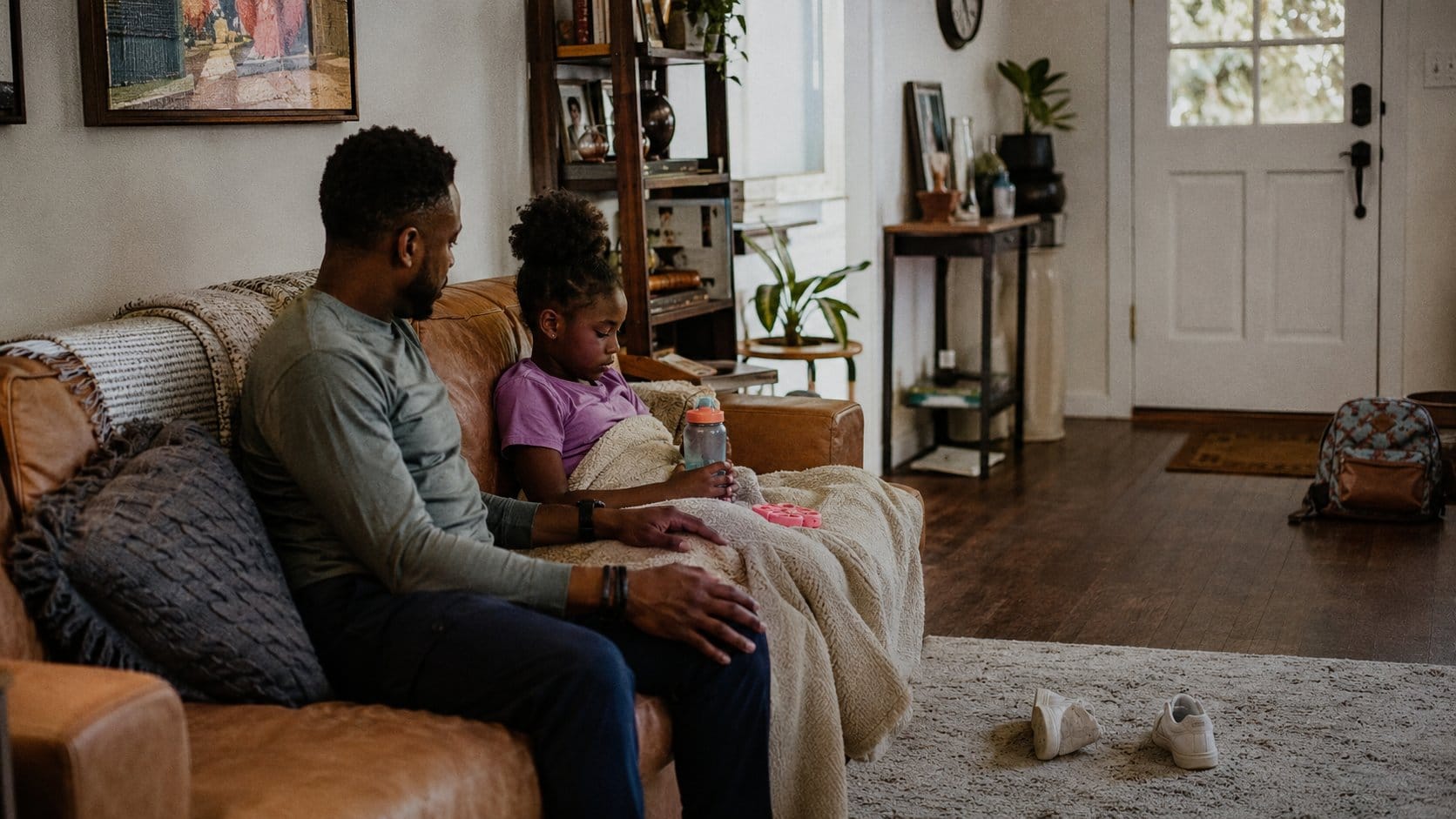
The teacher says they were fine. Helpful. Also somehow maddening.
Because the child who walks through your door is not fine. They are shoeless in the hallway, furious about a banana, and suddenly homework feels like a personal attack.
Why does home get the worst version?
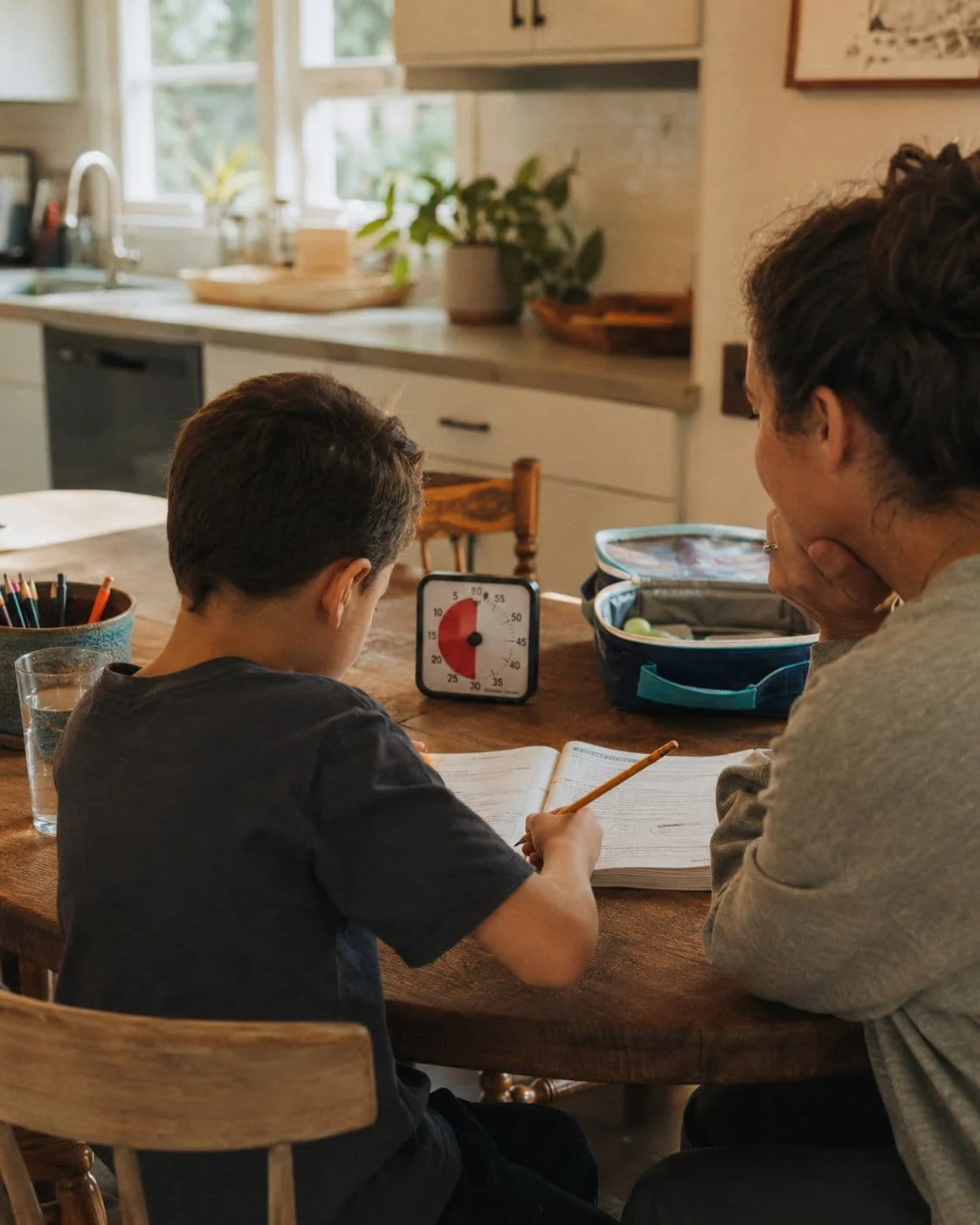
School uses up a lot of invisible effort. Sitting still. Waiting. Not interrupting. Smiling through noise. Copying from the board while the chair feels wrong and someone nearby is chewing like thunder.
Understood describes restraint collapse as kids no longer being able to hold in emotions after a long day. CADDAC notes that ADHD kids may need space to unwind, visual cues, and warmth before the evening routine starts asking things of them again.
So no, you are not imagining it. And no, the teacher’s calm report does not cancel what you see at home. It may explain it.
What should the first 20 minutes look like?
Think of pick-up as re-entry. Your child is not ready for questions yet. Their nervous system is still wearing the school day like a scratchy jumper.
The principle is simple: land the body before you reach for words. Food, water, and some movement or pressure first, conversation last. Not “How was your day?” at the curb.
If homework is the thing that lights the fuse, pair this with the 20-minute reset before homework. That post handles the task side. This one handles the collapse before the task even exists.
What if they are mean during the crash?
You still get to hold boundaries. You just hold them shorter.
“I will not let you throw the lunchbox. I am moving it. We can talk after food.” That is plenty. Long explanations land like gravel when a child is flooded.
How do you know if it is more than restraint collapse?
Watch frequency, recovery time, and safety. A rough landing after school is one thing. Daily aggression, self-harm talk, school refusal, sleep falling apart, or a child who seems scared by their own reactions needs more support.
Also check medication timing if your child takes ADHD medication. Restraint collapse and rebound can look similar from the doorway. Your prescriber can help you spot the difference without guessing in the hallway.
Make the landing boring on purpose
The best after-school plan may look unimpressive from the outside. Same snack. Same bench. Same ten quiet minutes. Same visual cue.
That is the point. After a day full of bells, rules, faces, and noise, boring can feel like mercy.
The homework bridge after the reset
The first 20 minutes are not a reward for difficult behavior. They are the bridge that makes the rest of the evening possible. Once your child has eaten, moved, decompressed, or had quiet pressure input, bring homework back in with a tiny first step.
Good first steps sound boring on purpose: open the folder, find the worksheet, write the date, choose the pencil, or read the first problem out loud. Do not start with “you have to finish this before dinner.” That sentence can turn a tired ADHD brain into a wall.
If homework refusal is the main explosion point, pair this plan with what to do when an ADHD child refuses homework. If transitions are the hard part, a visual schedule for kids with ADHD can make the evening feel less like a surprise attack.
What to say to the teacher
You do not need to write a long email. A useful note is simple: “We are seeing a big crash after school. Are there any times of day where my child is working extra hard to hold it together?” Ask about lunch, recess, noisy transitions, group work, and end-of-day packing.
The goal is not to blame school. It is to find where the load is highest. Sometimes one small support, like a packing checklist, a movement errand, or a quieter end-of-day routine, lowers the pressure enough that home does not get the whole crash.
Frequently asked questions
After-school restraint collapse is the emotional release that can happen when a child has held themselves together all day at school. At home, where they feel safer, the restraint drops and you may see yelling, tears, shutdown, silliness, or refusal.
It can be especially common in ADHD and autistic kids because school asks for hours of sitting, masking, transitions, waiting, and impulse control. By pick-up time, the self-control tank may be empty even if teachers saw a “fine” day.
Food, water, and low-demand connection first. Save questions, homework, chores, and correction for later. Many kids do better with a predictable decompression window before anyone asks them to talk, perform, or explain what happened.
No, though they can overlap. Medication rebound is tied to medication wearing off. Restraint collapse is tied to the effort of holding it together all day. If timing or intensity worries you, ask your prescriber or pediatrician.
Start with 20 minutes. Some kids need ten, others need forty. The point is not a perfect length. The point is a repeatable landing strip: snack, quiet, movement, or pressure before demands come back online.
Leave the first comment
Share your thoughts

I'm for the parent whose mornings keep falling apart. I didn't train in ADHD - I lived it with three kids, then read the actual studies, so what you get here holds up in a real kitchen at 7:50 a.m. Specific, tested at home, never preachy.
More from MarcusWhat finally made your child's focus click - even a little?
No right answers here - tell us how it actually went. Someone reading needs to hear it.
Join the conversation