
She Chose the Tree With the Hole in It
The hole was on the back, about waist high, where two branches had given up. My daughter was six and she loved it on sight. She said it looked like a tree that needed a family.
We took it. We turned the hole to the wall, and it was the best tree we ever had. Most of what makes a tree farm work with kids is deciding, before you get out of the car, which parts of the choice are yours and which are theirs.
When should you go, and which day?
Early December is the sweet spot for most families. The rows are still full, so the kids have real choices, and a tree cut then will last to Christmas if you keep it watered. Wait until the week before and the good ones are gone.
Weekdays after school are calmer than a Saturday at noon. So is the first hour on a weekend. The wait for the hayride is where the whining starts.
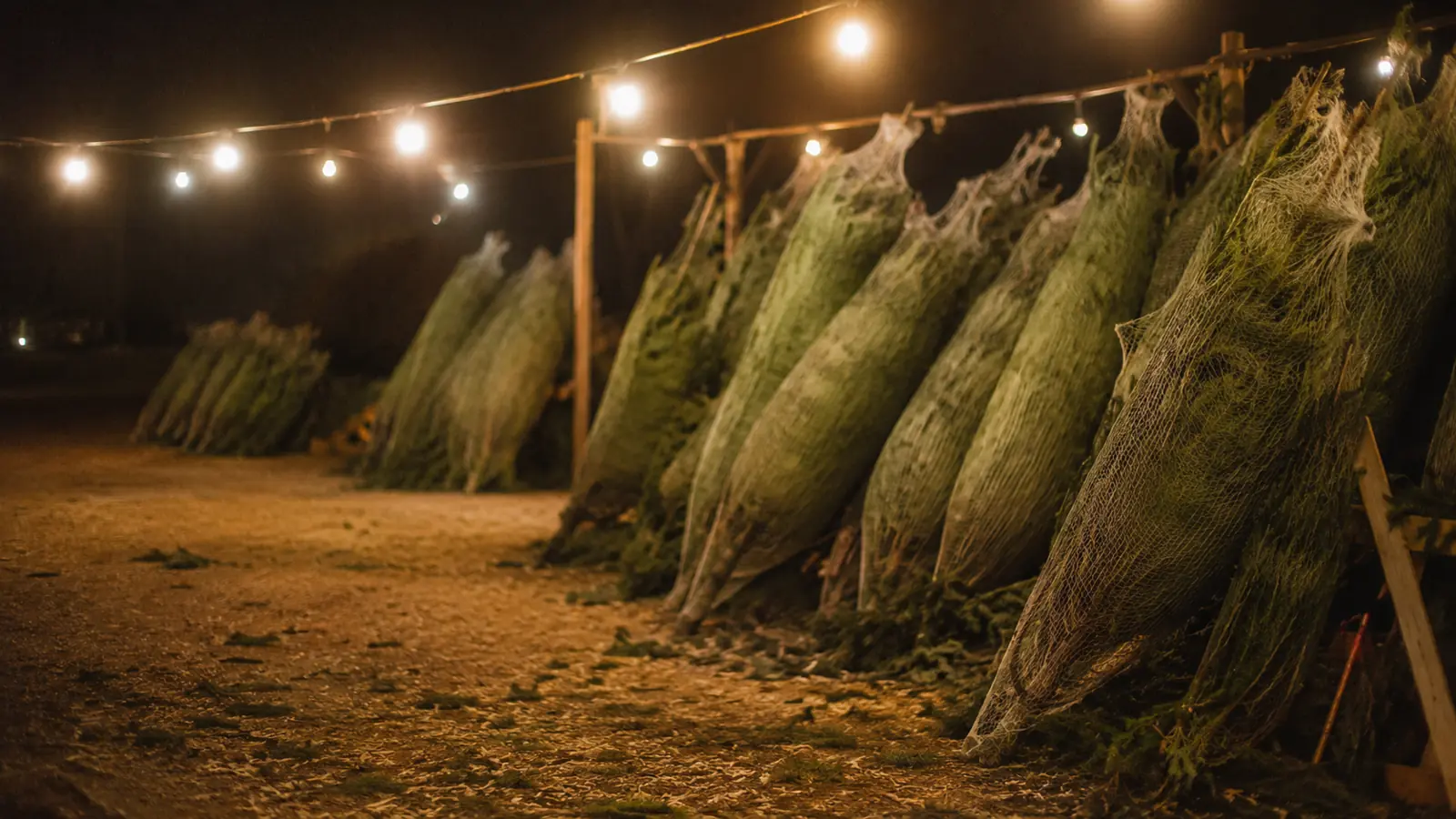
A choose-and-cut farm is the full outing, with mud and a saw. A tree lot is faster and still fun at night under the lights. (An artificial tree skips all of it, which is allowed.)
What goes in the car before you leave?
Farms are colder than the driveway. You are standing still in an open field, often on wet ground, for longer than you planned. Dress the kids in layers they can peel off in the car on the way home. There is a whole guide to layering kids for real cold if you want the long version.
- Waterproof boots for everyone. Sneakers are soaked in ten minutes, and wet feet end the trip faster than anything else.
- Gloves with grip. Kids want to touch the trees, and fir needles and sap are both scratchy and sticky.
- A tape measure and your ceiling height. Trees look small in a field. Write the number on your hand before you leave the house.
- An old blanket or tarp, plus twine. The farm may tie it on for you, but the tarp saves your car roof and your seats.
- Snacks and a full water bottle. Hungry kids choose badly and fast.
How do you let a kid choose without losing control?
You pick the frame, and they pick the tree. Before you walk into the rows, say the two rules out loud. The tree has to be shorter than the number on your hand, and it has to have a tag in the price range you set. Everything else is theirs.
That means lopsided is allowed. Bald spots are allowed. A tree with a bird’s nest in it is (in my house) a strong yes. With more than one child, take turns being the picker by year, or let each pick a top three and vote. Budget ten extra minutes and a mild squabble.
Keep the looking short for little ones, and take the first tree a three year old loves. A ten year old with the tape measure feels like the boss of the whole farm.
Who holds the saw, and what about the extras?
Adults cut, every time. Kids stand well back, off to the side, and upwind of the sawdust. A falling tree goes the way it wants, so pick a spot for them that is clearly out of reach and make it a job. “Stand on this stump and tell me when it starts to lean” keeps a five year old still and proud.
Small kids can still help. They can carry the tag to the barn or shake the tree once it is down. Many farms also run it through a shaker to knock out dead needles, and toddlers find this riveting.
Then there are the extras: hayrides, cocoa, a gift shop, sometimes reindeer. Choose one or two before you arrive. A tired kid on a crowded day can melt down fast, which is covered in the post about holiday overload. If cocoa is the treat, you can also do it better at home with a cocoa bar the kids build themselves.
How do you get it home and keep it fresh?

Tie the tree on with the trunk facing forward, so the wind slides over the branches. Leave the net on until it is standing. Kids love cutting the net off at the end, with a grown-up at their elbow.
Before it goes in the stand, cut a fresh slice off the bottom. The National Christmas Tree Association says to remove about a half inch disk of wood from the base of the trunk. It also says most species can go 6 to 8 hours after cutting and still take up water. So if you went to a lot, or the drive was long, that fresh cut is worth doing.
Then fill the stand right away. The same group says a stand should give 1 quart of water per inch of trunk width. A four inch trunk, then, wants a stand that holds about a gallon. Check the level every day and never let it drop below the base of the tree. A fresh tree can drink a startling amount, and a child with a small watering can makes a very keen water monitor.
If you have a toddler who treats the lower branches as a snack bar, that is a separate problem. Here is how to toddler-proof the tree without putting it behind a fence.
Why does a dry tree matter so much?
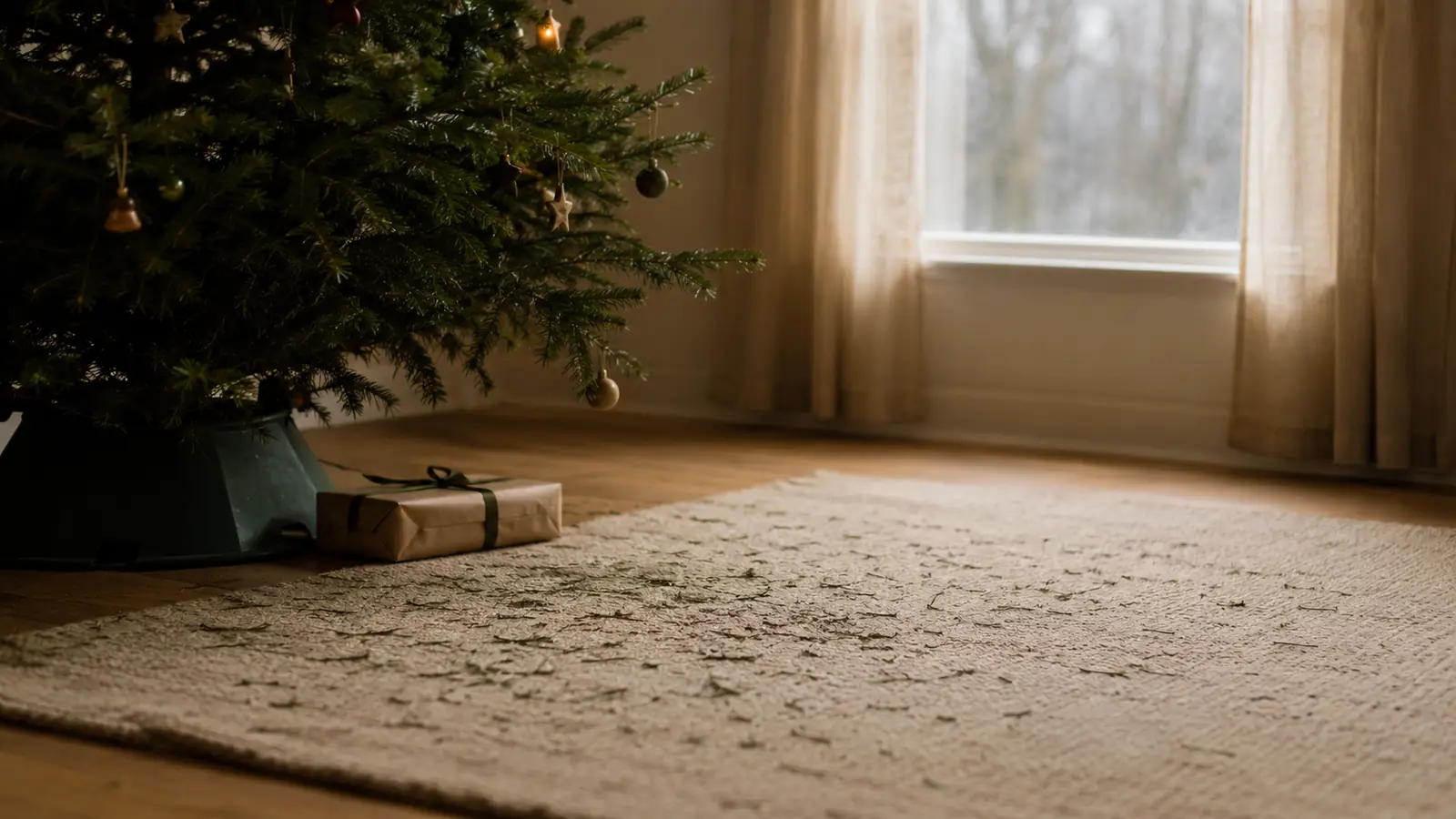
Tree fires are rare, which is good news. NFPA research found that from 2016 to 2020, US fire departments responded to an average of 160 home fires a year that started with a Christmas tree. Those fires caused about two deaths and 11 injuries a year. Electrical problems were behind about a third, and heat sources placed too close to the tree caused another 20 percent.
Timing matters too. Three quarters of those fires happened in December or January, which fits what you see in a living room by New Year’s.
Keep the tree away from the fireplace, heaters, heat vents and a sunny window. Turn the lights off when you go to bed. When the needles rain down every time someone walks past, the tree is done, even if there are still presents to open.
Anyway. The tree with the hole in it went out on the second of January. My daughter still hunts for one like it every year, bald spot first.
Leave the first comment
Share your thoughts
Frequently asked questions
Any age works if you size the trip to the child. Toddlers can carry the tag and watch the tree go through the shaker. Kids from about six can help choose and measure. Keep the visit short for little ones, and let older kids hunt the rows with a tape measure.
Early December is a good balance for most families. The rows are still full, and a well-watered tree cut then should last to Christmas. Weekday afternoons or the first hour on a weekend are calmer, which means shorter lines for hayrides and fewer tired, cold kids.
Waterproof boots, warm layers and gloves with grip. Fields are often wet and muddy, and you stand still in the cold for longer than you expect. Layers let kids warm up in the car afterward, and gloves protect small hands from scratchy needles and sticky sap.
The National Christmas Tree Association says a stand should provide 1 quart of water per inch of trunk diameter, so a four inch trunk needs about a gallon. Make a fresh half inch cut before it goes in the stand, and check the water level every day.
Tree fires are rare but serious. NFPA research found about 160 US home fires a year started with Christmas trees from 2016 to 2020. Keep the tree watered, away from heaters and fireplaces, turn lights off at bedtime, and take it down once it is dry.

I'm for the parent standing in the bookshop, overwhelmed. I read them all - the wise, the smug, the single good idea stretched to 240 pages - so your nightstand stack stays short. I'll point you to what's truly worth it, and kindly, what to put back.
More from MeiWhat's the one thing that actually calmed the chaos in your house?
No right answers here - tell us how it actually went. Someone reading needs to hear it.
Join the conversation