
Outdoor Activities for Kids With ADHD: Screen-Free Summer Ideas That Work
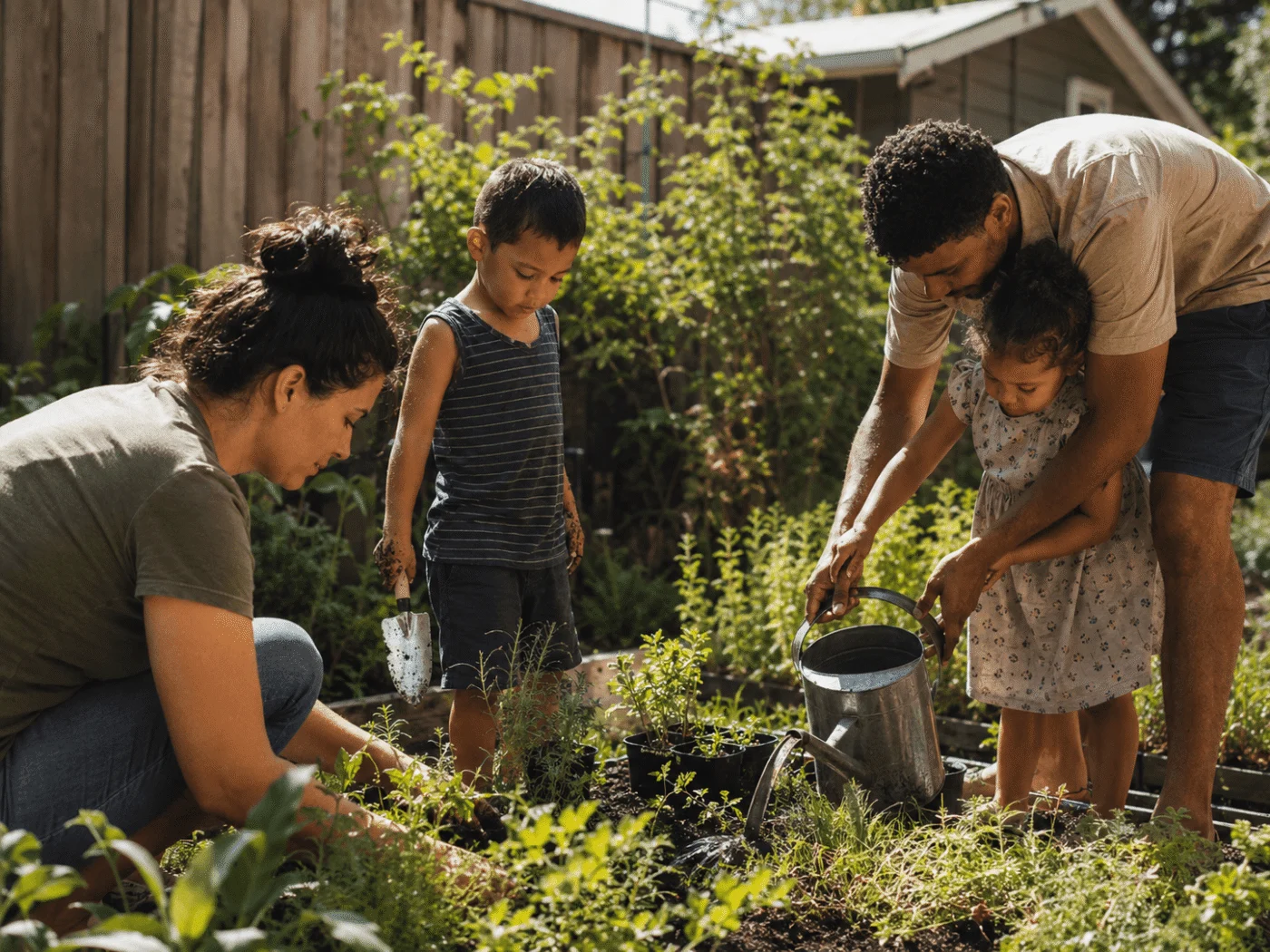
The tablet is not even the real enemy. It is the silence after you say, “Time’s up,” and your child looks at you like you just removed oxygen from the room.
Outdoor activities for kids with ADHD work best when they are physical, clear, and a little bit sensory. Think water pouring, chalk missions, digging, carrying, treasure hunts, bike loops, and yard jobs. The goal is not a perfect screen-free summer. The goal is giving your child a body-based reset that is easier to start than another argument.
Why does outside help more than another rule?
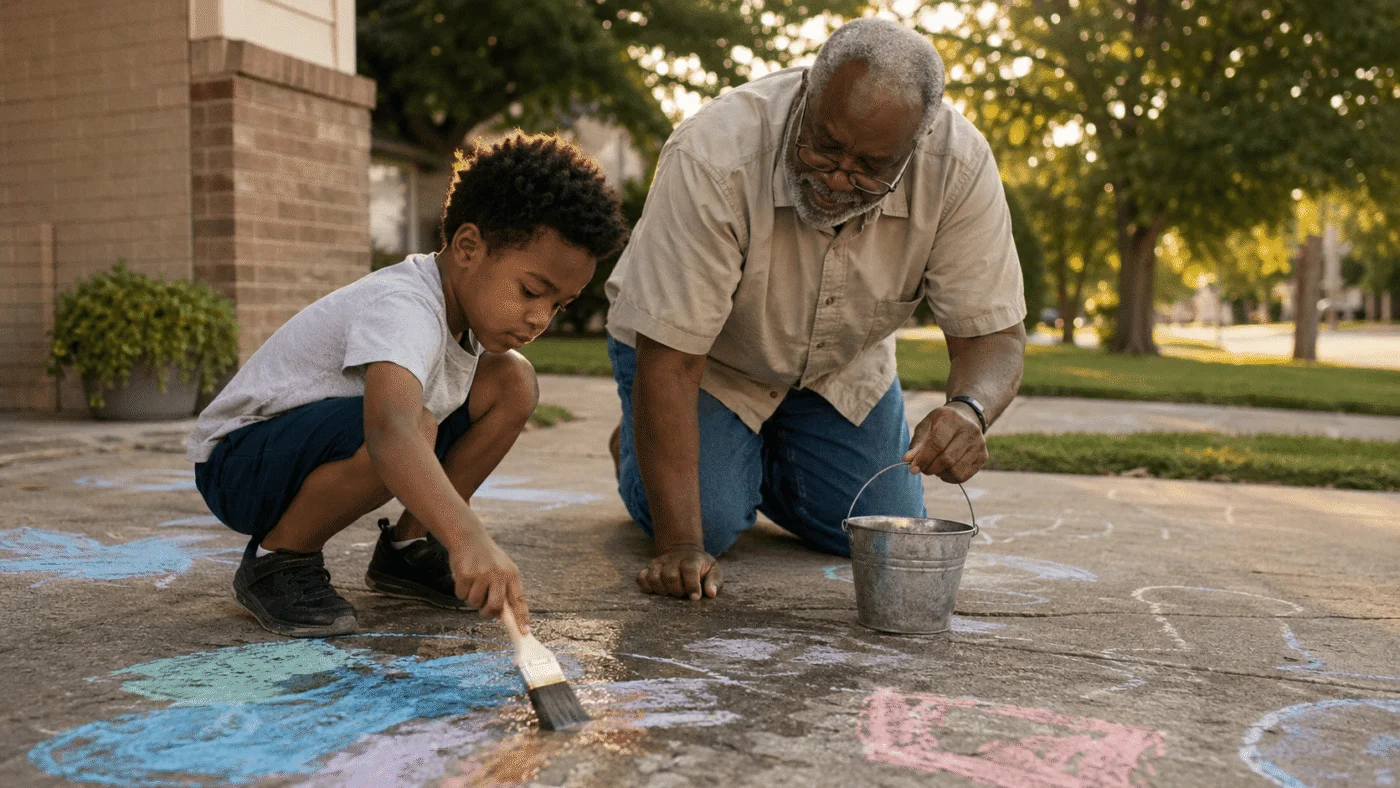
ADHD is not fixed by fresh air, obviously. Still, outside gives a restless brain more room to move without bumping into every rule in the house. The running, lifting, pouring, jumping, dragging, and digging are not random chaos. They are input.
The CDC reports that 12.0% of U.S. children ages 3 to 17 had ever been diagnosed with ADHD in 2024. The same CDC physical activity guidance says kids ages 6 to 17 need daily movement, and summer is when the gap between what their body needs and what the day offers can get weirdly wide.
Pinterest is seeing the same parent hunger from another angle. Its 2026 Parenting Trend Report shows huge growth around routine charts, cognitive worksheets, outdoor learning, and experience-rich parenting. Translation: a lot of families are trying to make childhood feel more hands-on again.
What counts as ADHD-friendly outside play?
Pick activities with a job your child can see. “Go play outside” is too foggy for a lot of ADHD kids. “Fill this bucket and water the tomato plants” lands better because it has a beginning, a body task, and an end.
- Heavy work: carry watering cans, pull a wagon, push a laundry basket, move garden pots.
- Water play: pouring stations, sponge races, car washing, ice rescue, water painting.
- Treasure jobs: find five smooth stones, three yellow leaves, or ten tiny sticks.
- Loop play: scooter to the mailbox, bike around the block, chalk path, obstacle course.
- Quiet hands: mud kitchen, sand tray, flower picking, nature sorting, outdoor drawing.
If the day usually melts after school, build outside time into the first hour home. The idea is simple: snack, water, ten minutes outside, then screens or homework. Not heroic. Repeatable.
Water jobs are the easiest summer reset
Water is the cheat code, honestly. It cools hot bodies, gives restless hands a reason to repeat a motion, and turns a tiny patio into something that feels like an event. You do not need a pool. You need a container, cups, a sponge, and permission for things to get damp.
For younger kids, a water table can carry a whole afternoon because it gives them levels: pour, dump, float, sink, fill, drain. For older kids, make it less babyish by giving it a mission. Wash toy cars. Rescue frozen animals. Time how fast a sponge can fill a bucket. Anyway, it is still water play. We just gave it a clipboard.
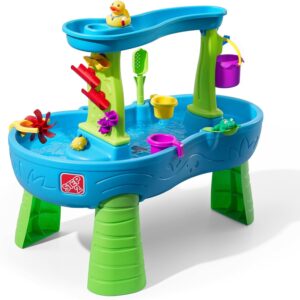
Step2 Rain Showers Splash Pond Water Table
A water table earns its space when your child needs repeated motion without another screen. It gives pouring, scooping, dumping, and cause-and-effect play in one contained spot. It is best for younger kids or mixed-age siblings when you need a reset that lasts longer than five minutes.
As an Amazon Associate, Decoded Kids earns from qualifying purchases. Price checked live on Amazon.
What if you do not have a yard?

A balcony, front step, apartment courtyard, or patch of sidewalk still counts. Use a tray or clear bin and keep the activity small enough to carry back inside. Beans, kinetic sand, water beads only if they are age-safe and supervised, leaves, pinecones, ice cubes, toy animals, measuring cups. The point is not aesthetic. The point is traction.
This is where ADHD-friendly screen-free play gets easier. Your child is not being asked to imagine a whole game from scratch. The bin holds the idea. The hands follow. The same trick works indoors when the weather wins: minute to win it games hold the idea so nobody has to invent one.
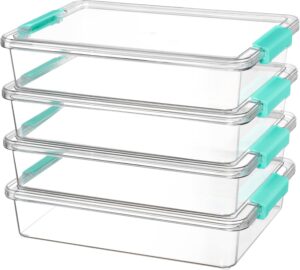
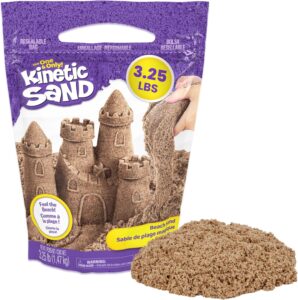
Clear bins are not glamorous, which is why they work. Put one on a balcony, patio, or kitchen floor by the door and you have a contained sensory station. Use them for ice rescue, scooping, water pouring, nature sorting, or a tiny sand setup you can close when dinner exists again. Kinetic Sand is useful when the body needs tactile input but the park is too bright, too loud, or too late. It is not really an outdoor toy only, but a tray on the patio can turn it into a low-demand summer station. Keep it small, because sand has ambition.Vtopmart Clear Sensory Bins
Kinetic Sand Beach Play Sand
Can screens help you get outside?
Sometimes, yes. Use the screen as a doorway, then close it. A five-minute video about bugs can become a bug hunt. A weather app can become a cloud check. A map can become a walk to the blue mailbox. The mistake is letting the doorway become the destination.
The American Academy of Pediatrics does not give one universal screen-time number for every kid. Its Family Media Plan pushes you to protect sleep, meals, relationships, and movement first. That is a better frame for neurodivergent kids too.
Child Mind Institute is careful about this in its piece on screens and neurodivergent kids: screens can calm, connect, and teach, but they can also crowd out movement, sleep, and other ways to regulate. That nuance matters. You are not a bad parent because screens help. You just need other exits.
Keep one no-fuss activity by the door
The outdoor idea that works is usually the one you can start while tired. A water mat, sidewalk chalk, bubbles, a jump rope, a bucket of cars, a scavenger card, a towel, done. If setup takes 20 minutes, the tablet has already won.
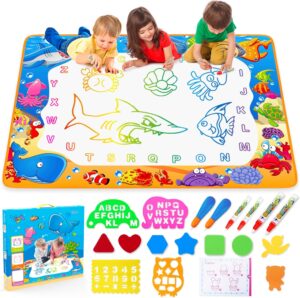
Water Doodle Mat for Kids
A water doodle mat is not the deepest toy in the world, and that is fine. It gives younger kids color, hand movement, and a clear reset without paint cups, marker lids, or a cleanup saga. Good for the porch, shaded patio, or a quick “hands busy” moment before dinner.
If your child needs more sensory input than this, your sensory play ideas for kids can become a summer rotation. If they need structure, pair the outdoor block with your visual schedule for kids with ADHD printable so the day does not live only in your mouth.
Make it small enough to repeat tomorrow
Do not build a summer camp in your backyard unless that sounds fun to you. Pick one outdoor anchor for the week. Water after lunch. Chalk before dinner. Walk after breakfast. Yard job before screens. Same time, same cue, same boring magic.
And if your child lasts eight minutes outside, count it. Eight minutes is still a nervous system doing something besides wrestling a glowing rectangle. Tomorrow can be ten. Or six. Real summers wobble.
Frequently asked questions
The best outdoor activities for kids with ADHD include water play, obstacle courses, chalk paths, scavenger hunts, bike loops, gardening jobs, sandbox play, and short nature walks. Choose activities with movement, a clear job, and an obvious ending so your child is not left guessing what to do.
Start before the screen turns on. Put one outdoor option on the routine, such as snack, ten minutes outside, then screen time. Keep the first ask tiny: water plants, draw one chalk path, or walk to the mailbox. A visible plan works better than a sudden command.
No. Outdoor play can support regulation, sleep, mood, and movement needs, but it does not diagnose or treat ADHD. Think of it as a daily support, like routines or visual timers. If symptoms are affecting school, friendships, or family life, talk with your child’s clinician.
Use short missions instead of open-ended play. Try “find five round stones,” “water every plant,” “scooter around the block twice,” or “rescue three frozen toys.” ADHD kids often do better with a visible finish line than with a vague instruction to go play.
You can still use outdoor-style play. A balcony tray, courtyard walk, sidewalk chalk, water painting, nature sorting, or a portable sensory bin can work in small spaces. The goal is not a perfect yard. It is giving your child’s body movement and tactile input. For a whole holiday built on that same idea, see these screen-free summer activities.