
A DIY Backyard Playground That Costs a Weekend, Not a Fortune
Every backyard-makeover video seems to end in a $2,000 wooden fortress with a working drawbridge. Yours is a patch of grass, a fence, and a budget that has better places to go this month. It’s easy to assume a “real” play space is out of reach.
It isn’t. A few well-chosen, budget-friendly additions do more for actual play than a store-bought structure ever does. The safety basics are the same whether you spend $50,000 or $50.
Start with what kids actually play with
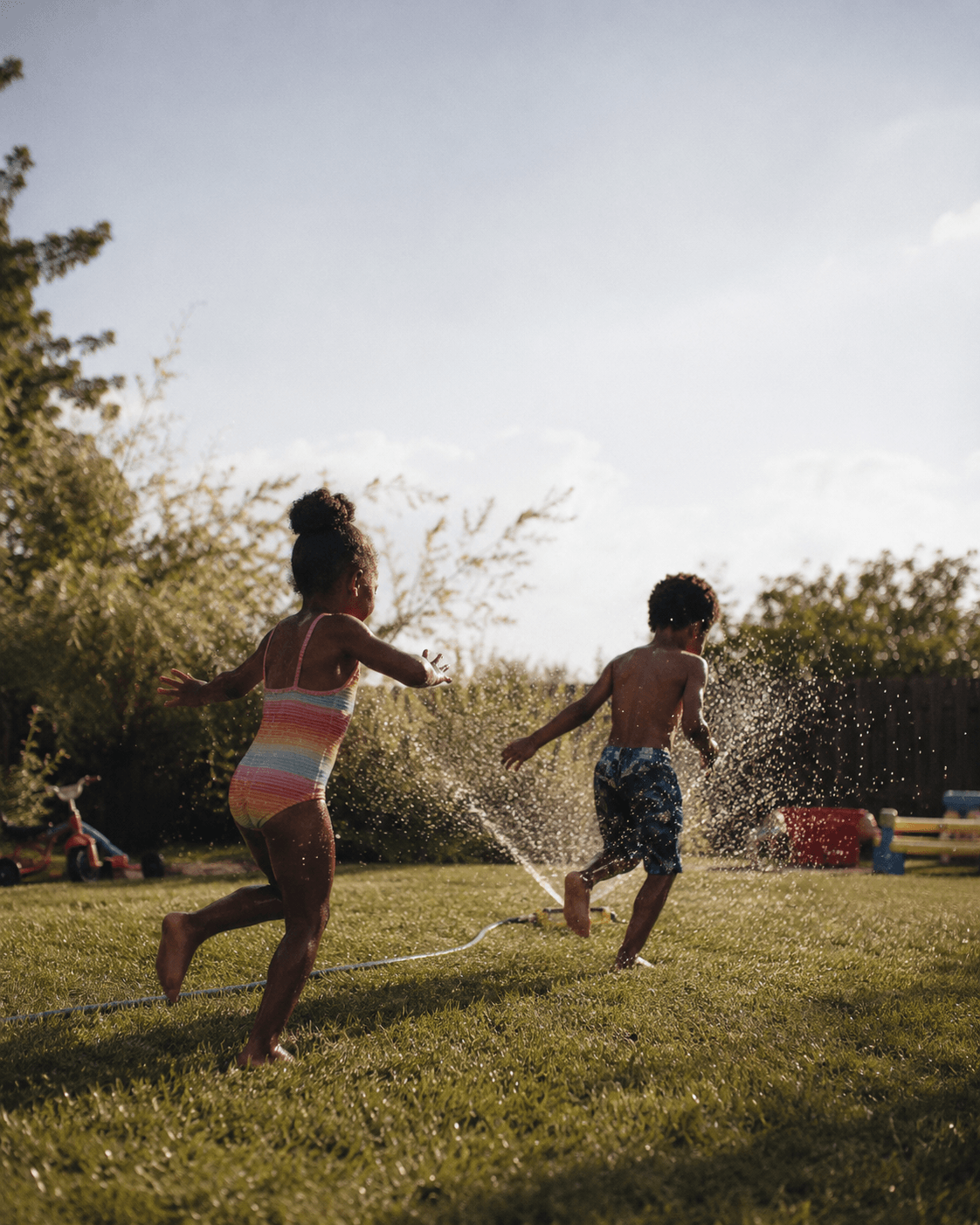
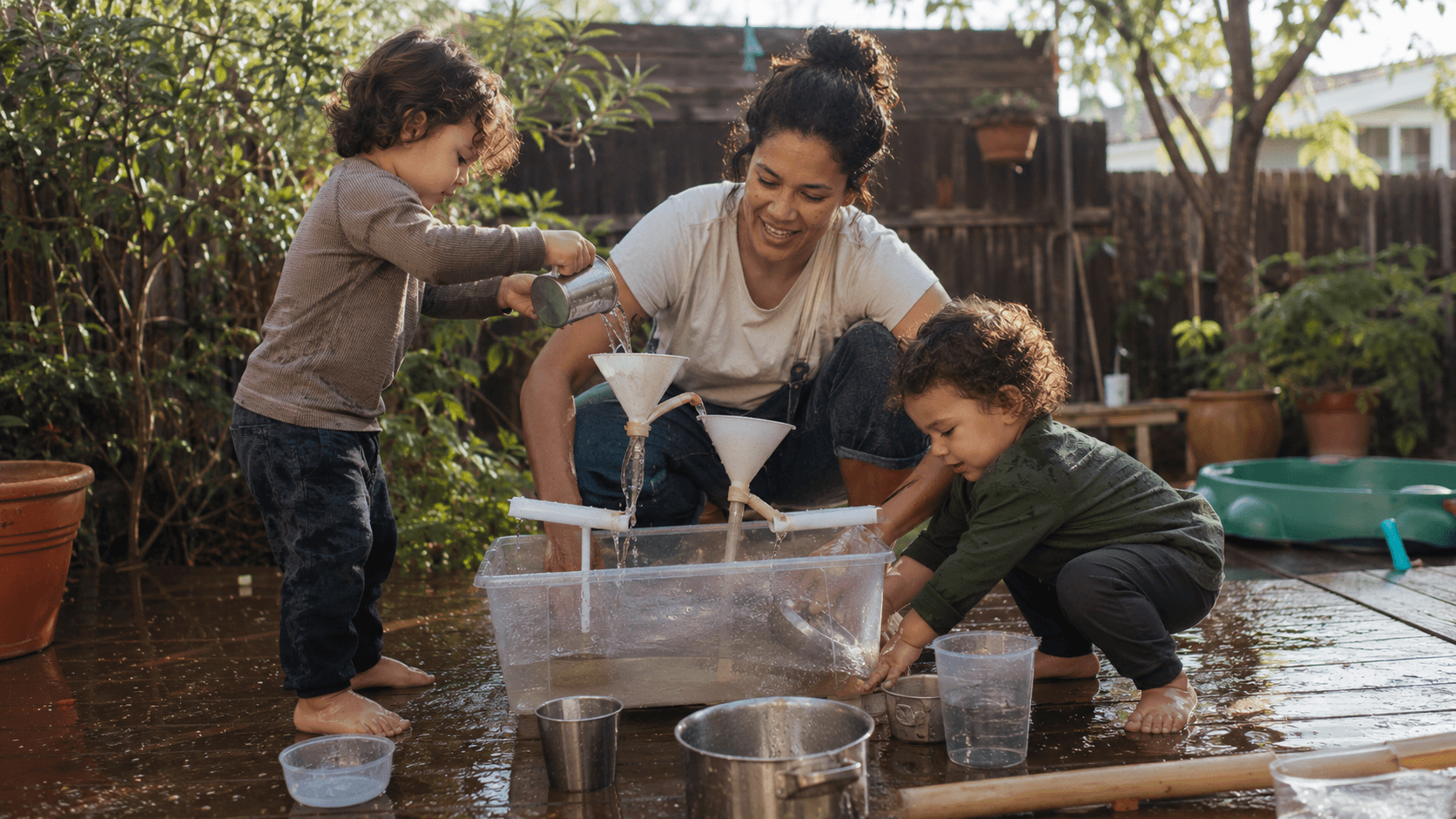
Kids gravitate to open-ended play more than fixed equipment. A shallow sand or dirt dig pit, a water table or sprinkler, a balance beam made from a leftover 4×4, or a simple A-frame climber cost a fraction of a full playset. They get used just as hard, often harder, because there’s no single “right” way to play with them.
A few genuinely cheap wins: a dollar-store kiddie pool for water play. Chalk and pavement for an obstacle course. A tarp and some clothespins for an instant fort. A few stacked cinder blocks and a plank for balance practice.
The one thing worth getting right: what’s underneath
The U.S. Consumer Product Safety Commission’s home playground safety guide is clear on this: falls onto asphalt or concrete cause serious head injuries, so no play equipment should sit on top of either. Their standard recommends a fall zone of at least 6 feet around any climbing or swinging equipment. Cushion it with grass, sand, mulch, or rubber, not bare hardscape.
- Use grass or mulch, not pavers. Grass alone is far safer than concrete or a deck for anything kids climb on.
- Keep a 6-foot clear zone. Whatever’s around a climber or swing, keep the landing area open and cushioned in every direction.
- Anchor anything freestanding. A wobbly climber or leaning ladder is the actual risk, not the lack of a fancy structure.
Good play doesn’t need a big budget
The best backyard play spaces are usually improvised, not purchased. Start with one cheap, open-ended addition, get the ground right underneath it, and let your kid do the rest.
Frequently asked questions
Focus on open-ended, low-cost additions like water play, a sand or dirt dig zone, chalk courses, and simple balance or climbing elements made from spare lumber. These get used as much as expensive playsets, at a fraction of the cost.
Grass, sand, wood mulch, or rubber surfacing are all far safer than concrete, asphalt, or a bare patio. The CPSC recommends at least 9 inches of loose-fill material or an equivalent rated surface under climbing equipment.
The CPSC recommends a minimum 6-foot fall zone in every direction around climbing or stationary equipment, extended further in front of and behind swings, cushioned with a safe surface rather than hardscape.
It can be, but check carefully for rust on metal parts, splintering or rot in wood, loose or missing hardware, and gaps that could trap a small body part before letting a child use it.
No, open-ended materials like water, sand, chalk, and simple climbing structures often hold a child’s attention longer than a fixed playset, because there’s no single correct way to use them.
Leave the first comment
Share your thoughts

I'm for the parent doing it largely alone. I've done the single-dad decade - two homes, one income, the handovers, the very quiet Tuesdays - and I write from the far side of most of those days, with humour and hard-won calm. Not advice from above; a hand back from a few steps up the road.
More from DiegoWhat's the one thing that actually calmed the chaos in your house?
No right answers here - tell us how it actually went. Someone reading needs to hear it.
Join the conversation