
WEATHER
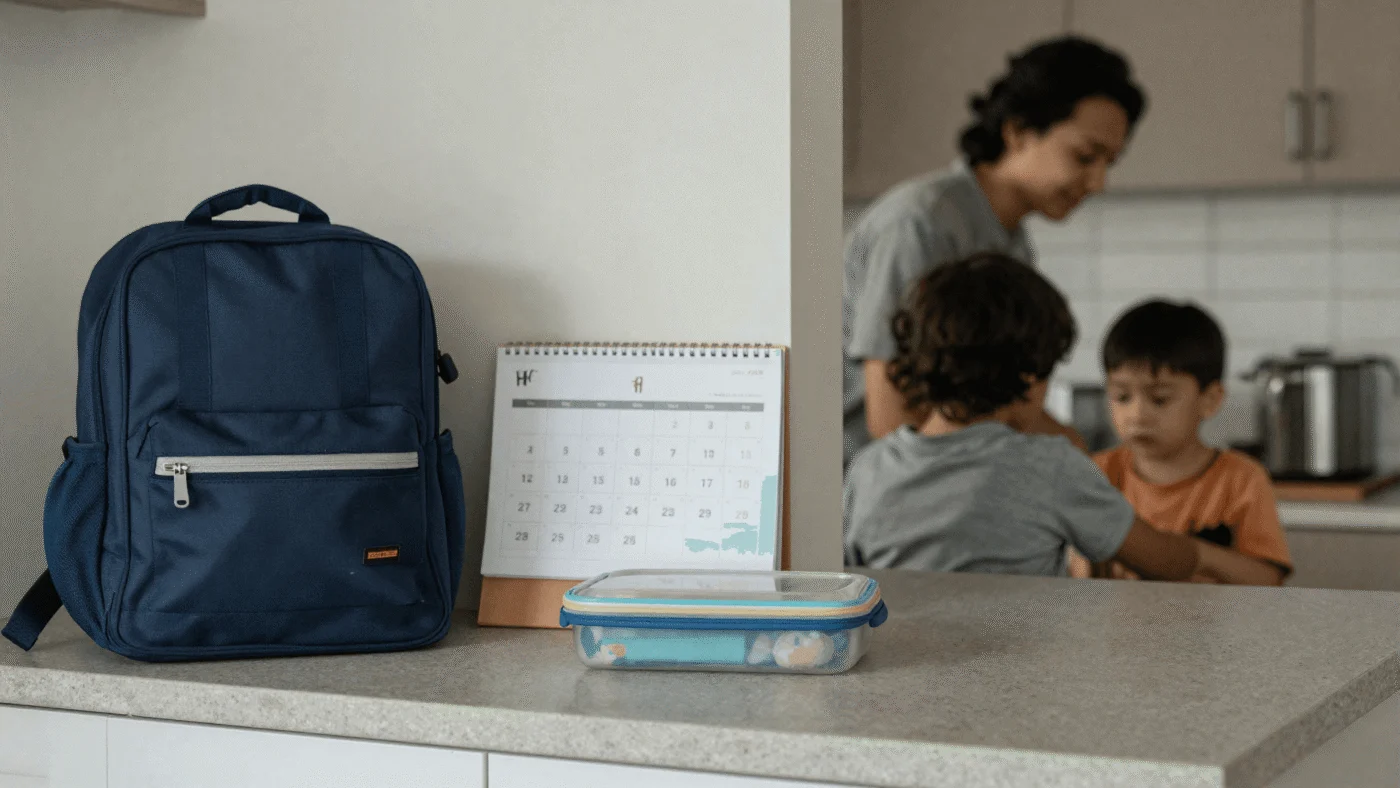
Nobody hands you a manual for the logistics of two homes and one school bag. That is usually where the dropped balls live: the PE kit under the wrong bed, the trip form only one adult saw, the parents’ evening slot you both meant to book and then, somehow, nobody did.
The fix is not a perfect co-parenting friendship. It is one boring shared system both homes can see, plus a few clear agreements about who handles what. Keeping school on track across two homes gets much easier when the child is not carrying the admin between adults.
This is co-parenting in its least glamorous form, which is often the bit that saves the morning. A little clipboard energy, basically.
“School gets calmer when the grown-ups stop making the child carry the messages.
Run one calendar both homes can see
Pick one shared calendar and make it the place school lives. Term dates, inset days, trips, homework deadlines, dress-up days, PE, clubs, dentist appointments that cut into the school run. All of it.
Two private calendars are how things get missed. One visible source means neither of you has to rely on memory, screenshots, or a child saying, ‘Mom said you know.’
One shared calendar removes blame from the morning.
Tell the school there are two homes
Ask the office to add both parents to everything: emails, texts, the school app, reports, payment systems, parents’ evening booking, the lot. Schools often default to one main contact because the system asks for one. It does not always mean anyone is being left out on purpose.
Put the request in writing, then check that it happened. A tiny admin correction here can prevent months of ‘you never told me’ arguments later.
Keep the wording dull and clear: “Please add both parents to all school communication for [child’s name], as they live across two homes.” No backstory needed.
Divide the jobs, not just the days
A schedule tells you where your child sleeps. It does not magically answer who buys the math notebook, who fills in the medical form, or who notices the class photo money is due tomorrow. Annoying, but true.
Choose owners for recurring school jobs: uniform top-ups, reading records, lunch money, homework checks, school emails, trip forms. Some jobs follow the child. Some jobs belong to one adult because that person is better at paperwork, or has the school app open more often.
Write it down once. Otherwise every little task becomes a fresh negotiation, and everyone is already tired.
Keep school out of the adult argument
Teachers can tell when parents are at war, and it can color how a child gets seen. Keep messages to staff polite, brief and aligned, even if you are privately fuming into the kettle.
If you disagree about something school-related, try to sort the adult part between yourselves first. Then go to the school with one clear question or one clear plan. If texting with your ex always turns spiky, this is where a more boring written system helps.
Plan for the days that break the pattern
Inset days, sickness, snow days, the phone call that says “can someone collect them now”. These are the moments that expose a fuzzy plan. Decide in advance who is first contact and who is backup.
Also decide what happens when the first-contact parent cannot answer. Does school call the other parent right away? A grandparent? A neighbor? You do not need a military operation, just a short ladder of who gets called next.
A child should not sit in the office while two adults argue about whose day it technically is. Bad mornings are easier when the plan is already waiting for them.
Ask the school to register both parents for every channel: emails, the app, texts, reports and parents’ evening bookings. Then use one shared calendar at home so school dates do not depend on one person forwarding screenshots. The boring system is the peacekeeper.
Put the request in writing to the office and ask for both of you to be added to all school communication. If it keeps happening, send a polite follow-up to the head, administrator or family liaison. Most of the time it is an admin default, not a snub.
If you can sit in the same slot calmly, one appointment gives the teacher one clear conversation. If that will turn tense, ask early for separate appointments. The goal is not proving you can be fine in a room together; it is getting useful information about your child.
Agree a basic shared expectation: where homework is checked, where reading books live, and who updates the other adult when something is due. Perfect consistency is lovely, but the real win is not letting homework disappear in the handover gap.

© 2026 DECODED KIDS · PARENTING, DECODED.

I'm for the parent doing it largely alone. I've done the single-dad decade - two homes, one income, the handovers, the very quiet Tuesdays - and I write from the far side of most of those days, with humor and hard-won calm. Not advice from above; a hand back from a few steps up the road.
More from DiegoNo right answers here - tell us how it went. Someone reading needs to hear it.
Join the conversation