
The Child Who Changes Every November

Some children get harder to live with in the same two weeks every year. Late October, early November, around the point where the walk home happens in the dark.
They sleep more and wake up tired anyway. They are furious about small things. School gets heavier. Then in March it lifts, and by May you have half forgotten it, until the following November when it happens again.
That repetition is the part worth paying attention to. A hard winter is a hard winter. A hard winter that arrives on schedule three years running is a pattern, and patterns can be planned for.
What it is, in plain words
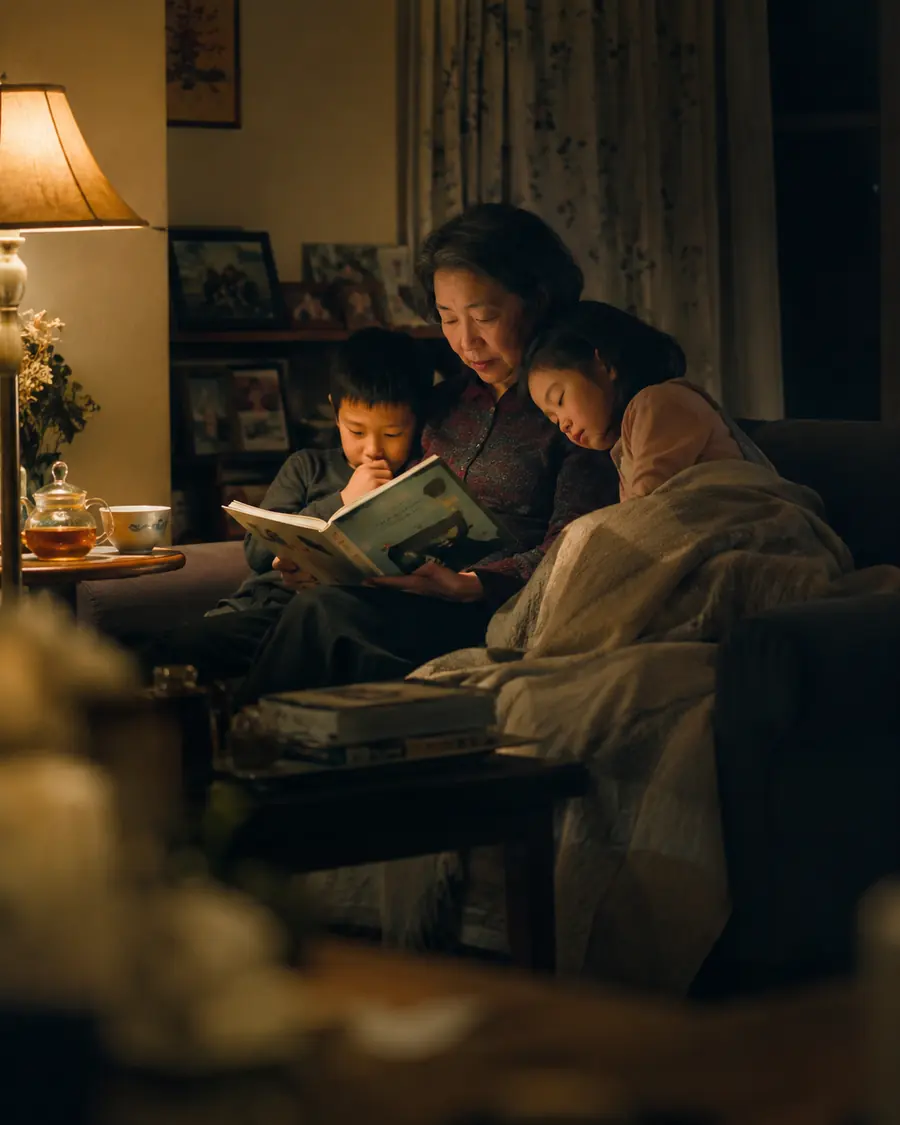
What most people call seasonal affective disorder is not a separate illness in the diagnostic manuals. In the DSM-5 it is depression carrying a seasonal pattern. The low periods have to keep arriving at the same time of year, and lifting at the same time of year, for at least two years running.
That definition matters for parents. It tells you what the doctor will be listening for. Not how bad one winter was. Whether it comes and goes with the calendar.
It is less common in young children than in teenagers, and it becomes more likely the further you live from the equator. In children it is also frequently missed, because the presentation is not a quiet, tearful child. It is a short tempered one.
The tells that separate it from a bad term
The timing repeats. Roughly the same weeks each year, and it lifts in spring without anything in particular being fixed. That is the single strongest signal, and it is why writing dates down is worth more than any checklist.
Sleep goes up, energy goes down. Adults with seasonal depression often oversleep and crave carbohydrates, and children can do the same. A child sleeping ten hours and still falling asleep on the sofa at five is telling you something.
It is everywhere, not just at school. Trouble that only shows up on school days is usually about school. Look at the morning stomach aches piece if that is the shape of yours, or school anxiety if the dread is about the building rather than the season.
The things they like stop working. Not refusing them out of protest. Doing them and getting nothing back.
What helps, and what the evidence is thinner on
Daylight, early, and outdoors. The strongest and cheapest thing available to you is morning light on a real face outside a real window. Twenty minutes on the way to school beats an hour at lunchtime, and glass takes most of the benefit out of it.
Protect the sleep window rather than extending it. The instinct is to let a tired child sleep in. It usually makes the following week worse, because the body clock drifts further from the school day. Hold the wake time, move bedtime earlier instead. The same logic as the clocks going back reset.
Movement, even badly done. Not sport. Fifteen minutes of anything, ideally outside, ideally not negotiated fresh each day. Our indoor movement list is for the days when outside genuinely is not happening.
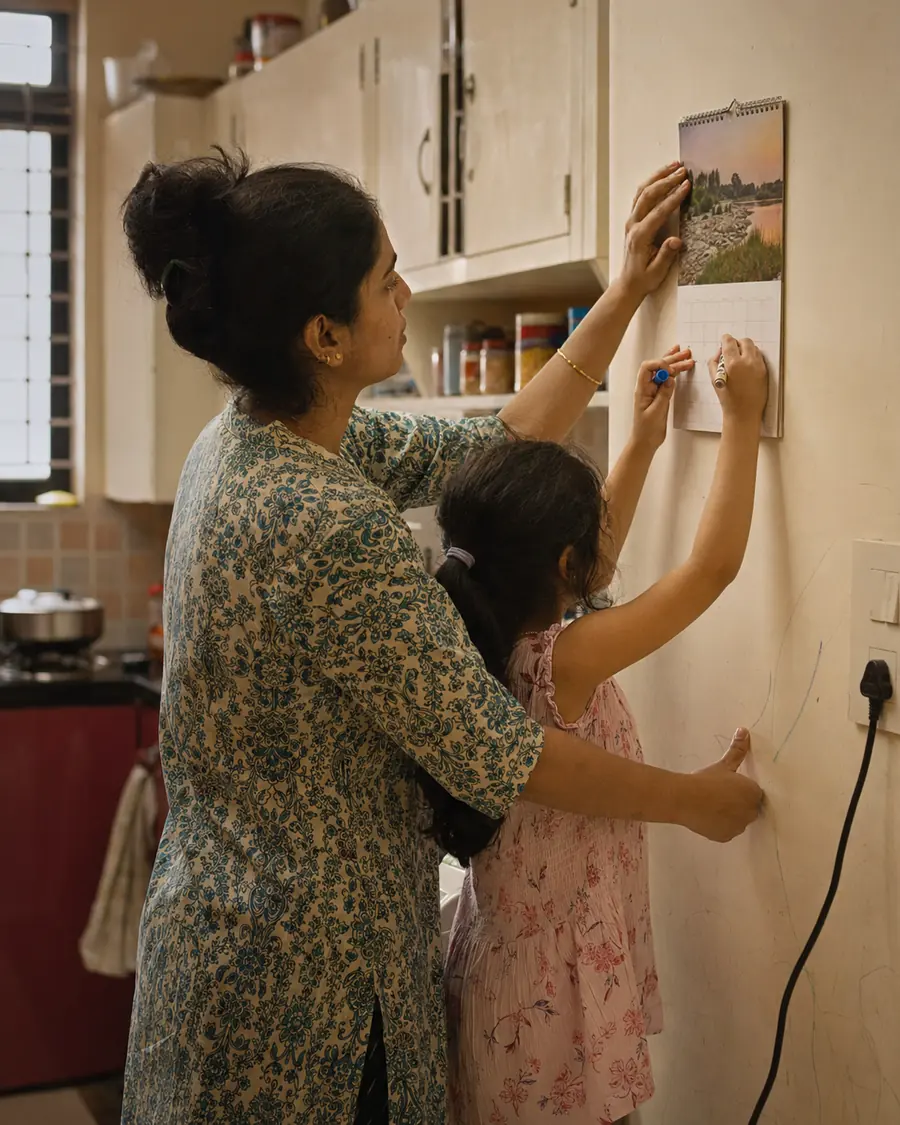
Give the season an end date. Children handle finite things far better than open ended ones. A calendar with the weeks crossed off, and something small to look forward to in February, does more than it looks like it should.
Light boxes are for the doctor to raise, not the internet. Light therapy has real evidence in adults and much thinner evidence in children. Dosing matters, and it is not right for every child. That is especially true where there is bipolar disorder in the family. A bedside night light is not a light therapy lamp and does not do this job. Fear of the dark is a separate problem, and we covered it in night lights for the child afraid of the dark.
What to write down before you call anyone
The most useful thing you can bring to a doctor is dates. A description of how bad it is gets dismissed easily. When it started this year, and when it lifted last year, does not.
Two or three lines a week is enough. Bedtime and wake time, roughly how the mornings went, and anything that changed at school. Four weeks of that turns a vague worry into something a clinician can use.
Go sooner if any of these are true. The mood is there every day for more than two weeks. They are talking about not wanting to be here. They have stopped eating properly. School has become a daily refusal. None of those wait for spring, and the withdrawn and sad piece covers what to say first.
The part that is hard to say out loud
Winter with a child like this is genuinely draining, and it lands on the parent who does the mornings. You will be short with them at some point, and it will not have been fair, and that does not undo the rest of it.
The thing that helps most in our house is remembering that it ends. Not in a hopeful way, in a calendar way. The last week of February looks different from the first week of December, reliably, every year.
And if this is your second or third winter noticing the same shape, that is not a reason to wait and see. That repetition is the evidence. It is the thing worth taking to a doctor.
Leave the first comment
Share your thoughts
Frequently asked questions
Yes, though it is less common than in teenagers and adults and it is often missed. In the diagnostic manuals it is depression with a seasonal pattern rather than a separate condition, which means the timing has to repeat across years. In children it usually shows up as irritability and exhaustion rather than visible sadness.
It becomes noticeably more common around puberty, and it is rare in the youngest children. That does not mean a six year old cannot have a hard winter. In a young child, other explanations such as sleep, illness or something happening at school are more likely and worth ruling out first.
The evidence in children is much thinner than in adults, and timing and intensity both matter. It is a conversation to have with your doctor rather than something to order and start alone, particularly if there is bipolar disorder in the family. Morning daylight outdoors carries no such caveats and is free.
Go if the low mood is there most days for more than two weeks. Go if they have stopped eating or sleeping normally, or if school has become a daily refusal. Go right away if they say anything about not wanting to be here. Bring dates rather than descriptions.

I'm for the parent watching a feeling they can't name and wondering if it's normal. I've spent years close to the child-mental-health research and the specialists behind it, and I carry the heavy parts into plain language. I won't diagnose your child - I'll help you see what you're looking at, and say honestly when it's time to ask someone in person.
More from SofiaWhen did you last feel out of your depth - and what helped, even a little?
No right answers here - tell us how it went. Someone reading needs to hear it.
Join the conversation