
WEATHER
This is one of the most common misunderstandings about ADHD. The condition does not cause a global inability to focus; it causes difficulty regulating where and when focus happens. Video games provide the constant, immediate dopamine feedback that the ADHD brain finds almost irresistible, while homework that should take 20 minutes does not.
This distinction matters because it explains why rewards and consequences often do not work the same way they do for neurotypical children, and why the child is not simply choosing to be difficult.
Read: Understanding ADHD in Children →Start with your GP. Bring a written list of specific observations rather than general descriptions: she spent 90 minutes on a 20-minute task three times this week is more useful than she struggles to focus. The GP can refer to a paediatrician for a formal assessment; waiting lists vary by area.
Ask the school to complete a behavioural questionnaire at the same time. Schools do this regularly and the results become part of the assessment evidence, so starting both in parallel saves time.
Read: Understanding ADHD in Children →Sharing the diagnosis is almost always worth doing. A formal diagnosis makes the child eligible for adjustments under the Equality Act: extra time in assessments, a quieter exam environment, movement breaks, or a named check-in adult. Without the school knowing, these provisions cannot be put in place and teachers may continue interpreting ADHD-related behaviour as a discipline issue.
A summary letter from the diagnosing professional is usually enough to begin the process.
Read: Why Kids With ADHD Struggle at School →Shorter and more visual than most parents expect. The goal is to reduce the number of decisions the child has to make before their brain is fully running: a visual checklist on the wall rather than verbal instructions, clothes laid out the night before, and a fixed start anchor such as the same alarm tone every day.
Build in ten extra minutes of buffer and do not expect the routine to run itself until it has been repeated consistently for at least three weeks without variation.
ADHD makes it genuinely harder to encode where you put something at the moment it happens; it is not carelessness. The most effective change is reducing the number of places anything is allowed to live: one hook for the bag, one bowl for keys, one shelf for school books. Small tracking devices on bags and water bottles remove a large portion of the daily friction.
The goal is a frictionless system, not better intentions.

Time and place matter more than motivation. A consistent start time (30 to 60 minutes after school, not immediately), a dedicated spot with minimal visual clutter, and a short break before starting reduce resistance significantly. Working in visible 10-minute blocks with scheduled breaks tends to work far better than sitting at the table until it is done.
Breaking the task into a sticky-note checklist per subject makes the ending point visible, which helps an ADHD brain agree to begin.
Read: ADHD Morning Routine Chart for Kids →Constant movement is one expression of ADHD, specifically the hyperactive component, but it also exists in neurotypical children as a sensory or temperament trait. The distinguishing question is whether the movement significantly interferes with learning, friendships, or daily functioning.
If it mainly disrupts the child themselves rather than just inconveniencing the adults around them, that difference matters when speaking to a professional about assessment.
Read: Understanding ADHD in Children →Medication is not always the first step and is rarely the only step. NICE guidelines for children under six recommend behavioural and environmental strategies before medication; for older children, medication is offered alongside, not instead of, parent training and school support. Many families find that consistent structure, adequate sleep, and daily exercise make a real difference before medication is even discussed.
For some children, however, medication is genuinely life-changing and should not be avoided on principle.
Transitions are hard for ADHD brains because switching attention is a genuine executive function challenge, not defiance. A two-stage warning works well: five more minutes, then one more minute, giving the brain time to complete its internal closure rather than experiencing an abrupt cut-off.
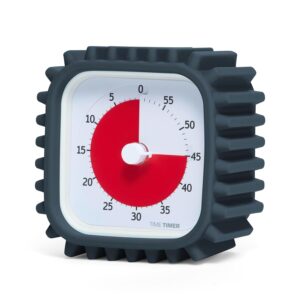
Visual timers make the countdown concrete. The calmer and more consistent the transition signal, the quicker the brain learns to anticipate it rather than resist it.
Read: ADHD Morning Routine Chart for Kids →The changes that move the needle fastest are: better sleep (ADHD symptoms worsen significantly on less than nine hours for school-age children), daily exercise before homework, and reduced visual clutter in work spaces. Beyond that, reduce decision points in the morning routine, use picture-based charts rather than spoken instructions, and build in legitimate movement breaks rather than treating movement as misbehaviour.
None of these are expensive. They just need to be consistent.
Read: Understanding ADHD in Children →Still not finding what you need?