
Parallel Parenting: How to Co-Parent Without Co-Operating
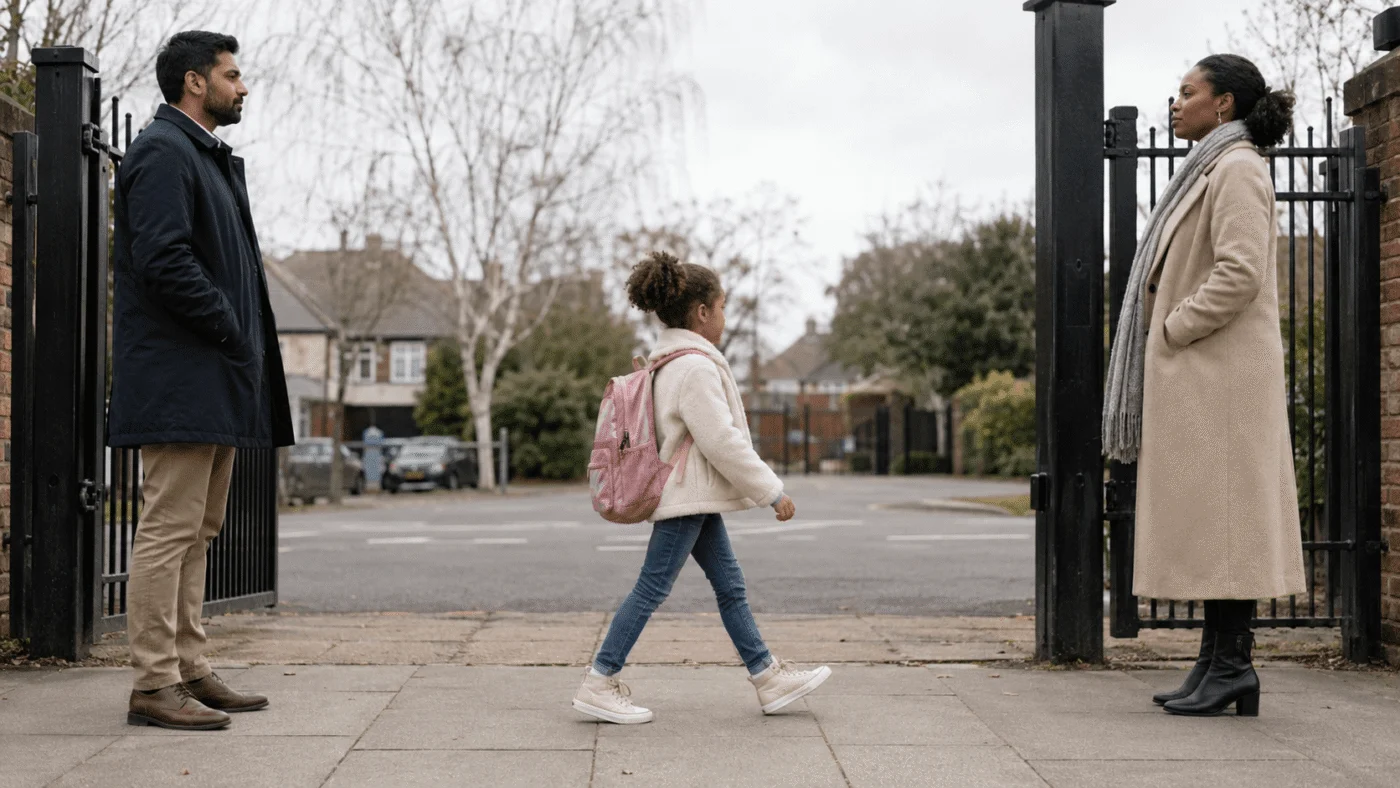
The advice is always to co-parent well. Both of you, communicating like adults, putting the kids first. It is good advice, and it is completely useless when the other adult won’t. If every handover is a trap, every text a potential ambush, every school pick-up a reminder of why you left, then trying harder at co-parenting just hands the conflict a bigger stage. What some families need is a different architecture entirely. Parallel parenting is exactly that: both parents fully involved with the children, but structurally disengaged from each other.
What parallel parenting is
It is not co-parenting with less effort. Think of it as two parents, two homes, two sets of household rules that never need to match. You each raise your children fully in your own space, without needing sign-off from the other on screen time, bedtimes, or what’s for dinner. Contact between the two of you shrinks to the bare essentials (dates, health appointments, school forms) and all of it happens in writing. No phone calls, no doorstep conversations. No surprise drop-ins either.
What makes it work is the written parenting plan. Not a verbal understanding or a goodwill handshake. A document that specifies the schedule, handover logistics, and a decision tree for the situations you can’t fully predict right now. The plan does the negotiating so you don’t have to.
When does it make more sense than co-parenting?
Co-parenting requires a functioning working relationship. Parallel parenting is for when that keeps detonating. Psychologists Joan Kelly and Robert Emery, whose research on children after divorce has shaped family law in multiple countries, have consistently found that reducing interparental conflict does more for children’s long-term wellbeing than any other single factor. Not better co-parenting communication. Reducing conflict.
If one parent uses contact as pressure, if there is a history of control, coercive behavior, or abuse, then structured disengagement is not a failure to co-parent. It is the actual solution. A child growing up inside ongoing low-grade adult war is not fine just because both parents technically show up.
How to set it up
The plan needs to be specific enough that nothing is left to interpret in the moment. Fixed schedule, handover times and locations that stay constant, and a named fallback for genuine emergencies. Move all ongoing communication to email or a purpose-built app. OurFamilyWizard, AppClose, and TalkingParents are all designed for exactly this: written messages, a permanent record, no ambush phone calls that spiral.
Each parent runs full authority on their own time. You do not need to agree on reading apps or sugar policies. The rule that matters most: whatever happens in my home stays in my home, and whatever happens in yours is not my business unless it crosses into safeguarding. Fewer touchpoints, fewer fights. That is the whole idea.
What about the big decisions?
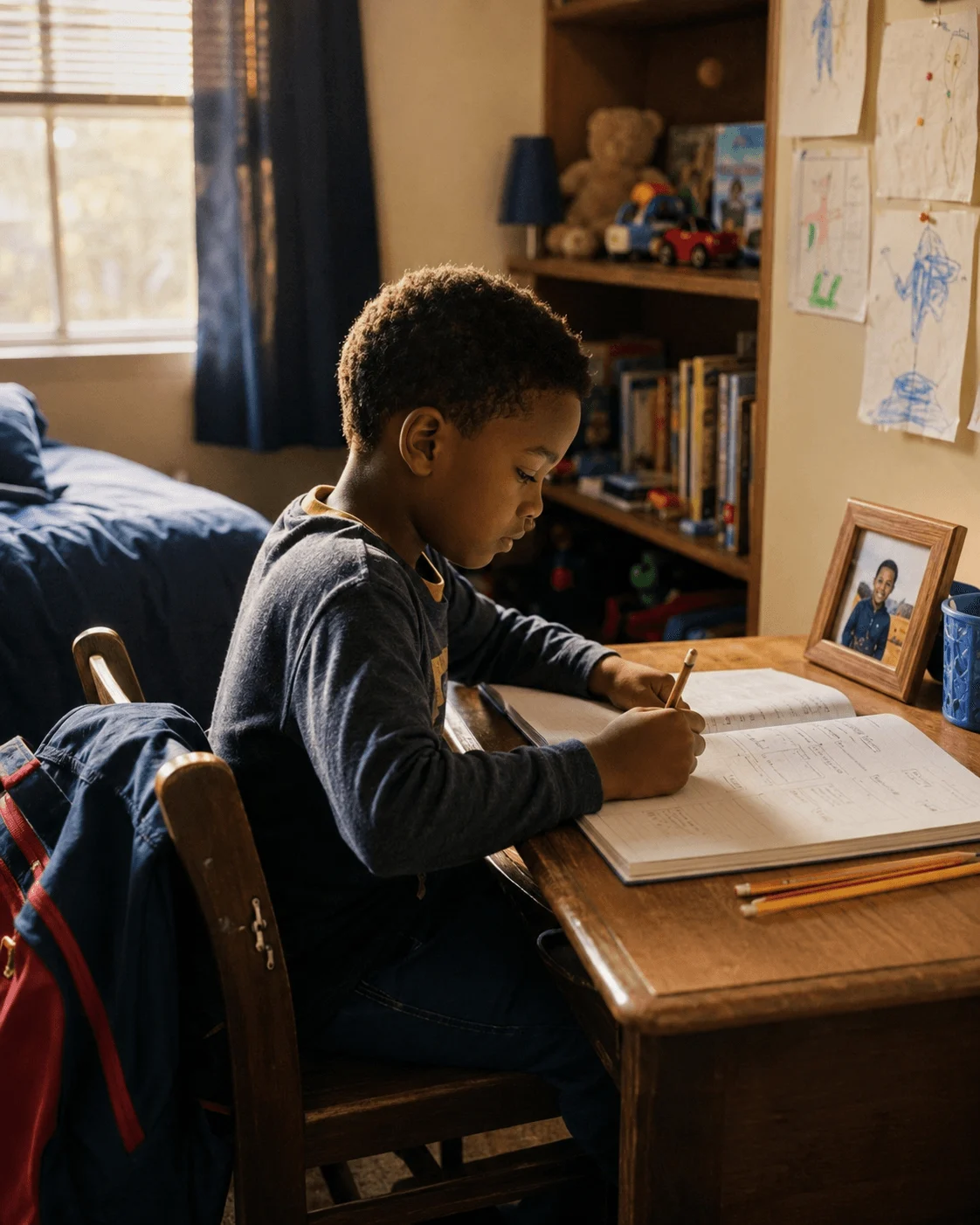
Schools, medical treatment, moving to another city. These are the calls that parallel parenting plans tend to blur around, because they genuinely involve both parents and one person doing their own thing is not an option. Write the framework into the plan now, before you need it. Which decisions require both signatures? What is the tie-breaking process? Who is the named mediator if you hit a wall?
Verbal agreements evaporate under pressure. Written ones hold. And if you genuinely cannot agree on a major call, a family mediator or, when it comes to it, a court order fills the gap. That is what they are for. Anyway, the aim is not to never disagree. It is to have a process that keeps the children completely out of the middle.
What your child needs from you
They do not need both homes to run the same. They really do not. What quietly damages children in high-conflict splits is not different household rules, it is being made to carry the tension between adults. The messenger role (“tell your mom…”), the subtle badmouthing, the face you pull when the other parent’s name comes up. Children absorb all of that, and they carry it.
Let them miss the other parent out loud without you flinching. Let them talk about what they did at the other house without it becoming an intelligence-gathering exercise. Right. Your home being the calm one is the single most protective thing you can offer them.
Don’t use the backpack as a courier. Notes, returned gifts, or pointed messages tucked in the front pocket turn your child into a vehicle for adult grievances they did not agree to carry.
Don’t debrief them on every visit. “What did you do at Dad’s? What did she say?” turns them into a reporting mechanism. Let them share what they want to share.
Don’t reopen the plan every few months. Stability is the entire point. If something genuinely needs updating, use the agreed process. Otherwise, let it settle.
Does it have to stay this way permanently?
Not always. For some families the temperature slowly drops across a year or two and parallel parenting softens into something more workable on its own. For others the structure stays firmly parallel, and there is nothing wrong with that. A stable, low-conflict childhood from two separate homes is a completely good outcome. It is better than a forced friendship that keeps collapsing on the school run.
You are not failing at co-parenting. You are picking the model that protects your children from the part of this that hurts them most.
Frequently asked questions
Co-parenting involves regular joint communication and shared decisions, which works when both parents can cooperate. Parallel parenting is for high-conflict situations: both parents stay fully involved with the children, but direct adult-to-adult contact is minimized and all communication goes through a written channel. Two homes, two separate routines, very little overlap between the adults.
Keep it in writing and limit it to the essentials: dates, health, school. Purpose-built apps like OurFamilyWizard, AppClose, or TalkingParents create a permanent logged record and prevent the kind of tone that escalates in phone calls. One message, factual, no emotional content. Nothing requires a response unless it is directly about the children’s wellbeing.
Research consistently shows it is significantly better for children than ongoing high-conflict co-parenting. Kids do not need their parents to be friends. They need at least one calm home and no role in the adults’ conflict. Joan Kelly’s work on post-separation parenting found that reducing interparental conflict is the single strongest predictor of children’s long-term adjustment after divorce.
Keep it age-appropriate and brief: “Mom and Dad are better at parenting when we do it from our own homes. You have two places that are yours, and we both love you.” Children do not need the full backstory. They need to know both parents are staying and the situation is stable. The calmer you sound when you say it, the calmer they can be.
Document every breach in writing and, if it is significant, raise it through a mediator or your family solicitor. A court-ordered parenting plan carries legal weight that a verbal agreement does not. Doorstep confrontations tend to escalate rather than resolve anything. If one parent consistently refuses to honor what was agreed, formal legal channels are the appropriate and effective next step.

I'm for the parent doing it largely alone. I've done the single-dad decade - two homes, one income, the handovers, the very quiet Tuesdays - and I write from the far side of most of those days, with humor and hard-won calm. Not advice from above; a hand back from a few steps up the road.
More from DiegoWhat's getting you through right now? Be honest - we're all figuring it out.
No right answers here - tell us how it went. Someone reading needs to hear it.
Join the conversation